The Mystery of Atlantis Explained
Ancient Civilizations and the Lost City
The story of Atlantis has captivated human imagination for centuries. The mythological island described by the ancient Greek philosopher Plato has been the subject of countless theories, speculations, and debates. Was Atlantis a real place, or simply a product of Plato’s fertile imagination? The mystery of Atlantis has been a topic of interest for scholars, researchers, and enthusiasts alike, with some seeking to uncover its secrets, while others dismiss it as a mere fantasy.
Plato’s Account of Atlantis
According to Plato’s dialogues Timaeus and Critias, Atlantis was a powerful and advanced civilization that existed in the distant past. The city was said to be the creation of Poseidon, the god of the sea, who fell in love with a mortal woman named Cleito. Poseidon built a beautiful temple on a hill, and around it, he created a series of concentric canals and a magnificent city. The Atlanteans were said to be descended from Poseidon and were known for their advanced knowledge of mathematics, architecture, and the arts.
Atlantis was described as a place of incredible wealth and power, with its people possessing advanced technology and a sophisticated system of government. However, the Atlanteans were also said to be corrupt and greedy, and their downfall was attributed to their own hubris and moral decay. A massive earthquake and flood devastated the city, and it sank into the sea, taking all its inhabitants with it.
Theories on the Location of Atlantis
Over the centuries, numerous theories have emerged regarding the possible location of Atlantis. Some have suggested that it was situated in the Mediterranean, while others propose that it was located in the Atlantic Ocean or even in the Americas. The search for Atlantis has led to the discovery of several sites, including the Minoan civilization on the island of Crete, the Azores, and even the Black Sea region.
One of the most popular theories is that Atlantis was inspired by the Minoan civilization on the island of Crete. This theory suggests that the Minoans were a highly advanced and sophisticated people who were destroyed by a massive earthquake and tsunami. However, this theory has been largely discredited due to a lack of concrete evidence and the fact that the Minoans were not as advanced as the Atlanteans were said to be.
Atlantis and the Ancient World
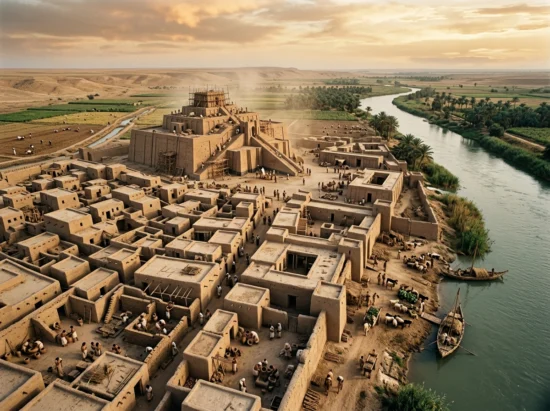
Atlantis has been the subject of much speculation and debate regarding its connection to other ancient civilizations. Some have suggested that the Atlanteans were influenced by the ancient Egyptians, while others propose that they were connected to the Sumerians or the Babylonians. The search for Atlantis has led to a greater understanding of the ancient world, and the various cultures that existed during that time.
However, the search for Atlantis has also led to the manipulation and distortion of historical records. Many theories have been proposed, and some have been discredited due to a lack of concrete evidence. The mystery of Atlantis remains a topic of interest and debate, and its solution will likely continue to elude us for centuries to come.
Atlantis in Popular Culture
The story of Atlantis has been a staple of popular culture for centuries. From literature to film, the myth of Atlantis has been retold and reinterpreted in countless ways. The search for Atlantis has captured the imagination of people around the world, and its legend has been perpetuated through the ages.
Atlantis has been the subject of numerous films, books, and TV shows, each offering a unique interpretation of the myth. The search for Atlantis has led to the creation of numerous documentaries and books, and the myth has been the subject of much speculation and debate.
The Legacy of Atlantis
The legacy of Atlantis is a complex and multifaceted one. On one hand, the myth of Atlantis has inspired countless works of art and literature, and its legend has been perpetuated through the ages. On the other hand, the search for Atlantis has led to the manipulation and distortion of historical records, and the myth has been the subject of much speculation and debate.
The mystery of Atlantis remains a topic of interest and debate, and its solution will likely continue to elude us for centuries to come. However, the search for Atlantis has led to a greater understanding of the ancient world and the various cultures that existed during that time. The legacy of Atlantis is a testament to the power of human imagination and the enduring appeal of the myth of the lost city.
FAQs
Q: Was Atlantis a real place?
A: While there is no concrete evidence to prove the existence of Atlantis, the myth has been the subject of much speculation and debate. Some have suggested that it was inspired by real events, while others propose that it was a product of Plato’s fertile imagination.
Q: What was the significance of Atlantis in Plato’s dialogues?
A: In Plato’s dialogues Timaeus and Critias, Atlantis was described as a powerful and advanced civilization that existed in the distant past. The city was said to be the creation of Poseidon, the god of the sea, and was known for its advanced knowledge of mathematics, architecture, and the arts.
Q: What are the different theories on the location of Atlantis?
A: Over the centuries, numerous theories have emerged regarding the possible location of Atlantis. Some have suggested that it was situated in the Mediterranean, while others propose that it was located in the Atlantic Ocean or even in the Americas. The search for Atlantis has led to the discovery of several sites, including the Minoan civilization on the island of Crete and the Azores.
Q: What is the legacy of Atlantis?
A: The legacy of Atlantis is a complex and multifaceted one. On one hand, the myth of Atlantis has inspired countless works of art and literature, and its legend has been perpetuated through the ages. On the other hand, the search for Atlantis has led to the manipulation and distortion of historical records, and the myth has been the subject of much speculation and debate.
Conclusion
The mystery of Atlantis remains a topic of interest and debate, and its solution will likely continue to elude us for centuries to come. However, the search for Atlantis has led to a greater understanding of the ancient world and the various cultures that existed during that time. The legacy of Atlantis is a testament to the power of human imagination and the enduring appeal of the myth of the lost city.
The search for Atlantis will continue, and its legend will remain a source of fascination and inspiration for generations to come. Whether or not Atlantis existed in reality, its myth has had a profound impact on human culture and imagination, and its legacy will continue to captivate us for centuries to come.