Ancient Water Engineering Marvels
Introduction
Water has been the lifeblood of human civilization for millennia, and ancient civilizations were no exception. From the intricate networks of canals and aqueducts to the grandiose dams and reservoirs, ancient water engineering marvels continue to awe and inspire us today. In this article, we’ll delve into the fascinating world of ancient water engineering, exploring the most impressive and enduring feats of human ingenuity.
The Ancient Roots of Water Engineering
Water engineering, as we know it today, is a relatively modern discipline. However, the concept of harnessing and controlling water dates back to ancient times. The earliest civilizations, such as the Sumerians, Egyptians, and Greeks, recognized the importance of water for agriculture, drinking, and trade. They developed sophisticated systems to manage water resources, often relying on gravity, simple machines, and manual labor.
The Sumerian Water Engineering Tradition
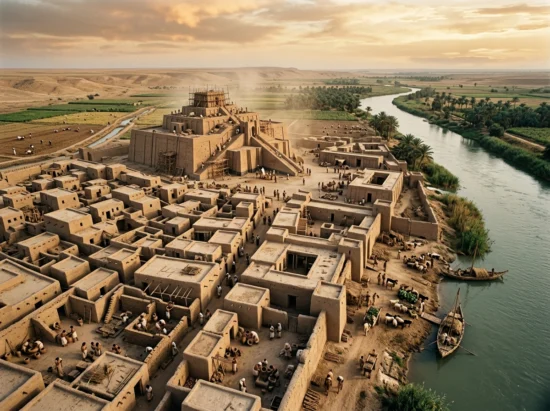
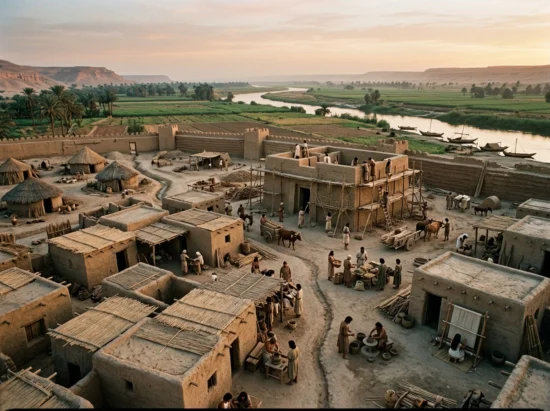
In ancient Sumeria, water engineering was an integral part of city planning and urban development. The Sumerians built elaborate canals and irrigation systems to support their agricultural economy. The city of Uruk, for instance, boasted a sophisticated system of canals and reservoirs that allowed for the efficient distribution of water throughout the city.
The Great Aqueducts of Rome
The Romans are renowned for their impressive aqueducts, which supplied water to cities and towns across the empire. The most famous of these is the Aqua Augusta, built in the 1st century AD to supply the city of Rome with fresh water. The aqueducts were marvels of engineering, featuring arches, vaults, and siphons that allowed water to flow against gravity. The Romans’ mastery of water engineering enabled them to build sprawling cities and support large populations.
The Importance of Water in Ancient Agriculture
Agriculture was the backbone of ancient economies, and water engineering played a crucial role in supporting this vital sector. The ancient Egyptians, for example, built a sophisticated system of canals and dams to irrigate their fertile Nile Valley. The ancient Greeks, too, developed elaborate systems of canals and irrigation channels to support their agricultural economy.
The Ancient Dams of the World
Ancient civilizations recognized the importance of dams in controlling water resources and preventing flooding. The ancient Greeks, for instance, built a series of dams and reservoirs to regulate the flow of the River Cephissus. In Asia, the ancient Chinese built a series of impressive dams and reservoirs to support their agriculture and prevent flooding.
The Innovative Use of Water in Ancient Architecture
Ancient architects often incorporated water engineering principles into their designs. The ancient Greeks, for example, built temples and public buildings with elaborate systems of drainage and sewage. The Romans, too, developed sophisticated systems of water supply and drainage for their cities and public buildings.
Conclusion
Ancient water engineering marvels continue to inspire and awe us today. From the intricate networks of canals and aqueducts to the grandiose dams and reservoirs, these ancient civilizations demonstrate a remarkable understanding of water engineering principles. As we look to the future, it’s essential to learn from the successes and failures of our ancient forebears, incorporating their innovative solutions and techniques into our modern water engineering practices.
FAQs
Q: What was the most impressive ancient water engineering marvel?
The most impressive ancient water engineering marvel is arguably the Aqua Augusta, built by the Romans in the 1st century AD. This massive aqueduct supplied fresh water to the city of Rome, spanning over 130 kilometers and featuring arches, vaults, and siphons that allowed water to flow against gravity.
Q: How did ancient civilizations manage water resources?
Ancient civilizations managed water resources using a combination of gravity, simple machines, and manual labor. They developed sophisticated systems of canals, aqueducts, and irrigation systems to support agriculture, drinking, and trade. The Sumerians, Egyptians, and Greeks were particularly skilled in water engineering, building elaborate systems to manage water resources.
Q: What was the significance of water in ancient agriculture?
Water was the lifeblood of ancient agriculture. The ancient Egyptians, Greeks, and other civilizations developed sophisticated systems of irrigation and water management to support their agricultural economies. These systems allowed for the efficient distribution of water throughout cities and towns, enabling large populations to thrive.
Q: What can we learn from ancient water engineering marvels?
We can learn from the successes and failures of our ancient forebears. Ancient water engineering marvels demonstrate a remarkable understanding of water engineering principles, which we can incorporate into our modern water engineering practices. By studying the innovations and techniques of ancient civilizations, we can develop more efficient, sustainable, and resilient water systems for the future.