The Age of Exploration and Discovery
Introduction
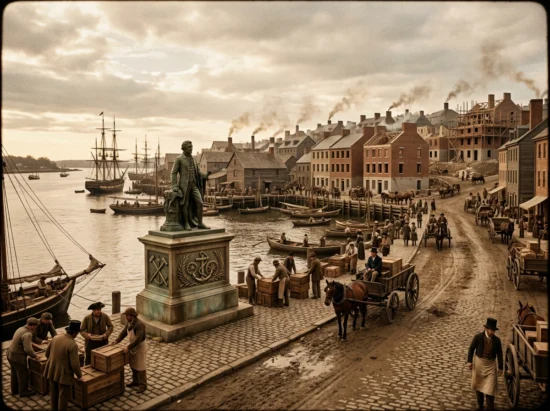
The Age of Exploration and Discovery, which spanned from the 15th to the 17th century, was a pivotal period in human history. During this time, European explorers set out to discover new trade routes, establish colonies, and spread Christianity to the Americas, Africa, and Asia. The Age of Exploration and Discovery was marked by numerous expeditions, discoveries, and the establishment of new empires.
The Early Explorers
The early explorers of the Age of Exploration and Discovery were driven by a desire to find new trade routes and establish a strong presence in the world. These explorers were often sponsored by monarchs and wealthy merchants who sought to expand their empires and gain control over new markets. Some of the most notable early explorers include:
- Henry the Navigator, who sponsored numerous expeditions to explore the west coast of Africa.
- Cristoforo Colombo (Christopher Columbus), who led an expedition to the Americas in 1492.
- Vasco da Gama, who discovered the sea route to India in 1497.
Explorers and Their Goals
The early explorers of the Age of Exploration and Discovery were driven by various goals, including:
- The desire to establish new trade routes and gain control over new markets.
- The need to spread Christianity to the Americas, Africa, and Asia.
- The goal of establishing new colonies and establishing a strong presence in the world.
The Consequences of Exploration
The Age of Exploration and Discovery had a profound impact on the world, leading to the displacement of indigenous peoples, the destruction of their cultures, and the establishment of new empires. Some of the consequences of exploration include:
- The transfer of diseases from Europe to the Americas, Africa, and Asia, which had a devastating impact on the populations of these regions.
- The displacement of indigenous peoples, who were often forced to relocate or assimilate into European cultures.
- The destruction of the cultures and traditions of the indigenous peoples.
The Legacy of Exploration
The Age of Exploration and Discovery left a lasting legacy that continues to shape the world today. Some of the key legacies of exploration include:
- The establishment of new empires and the spread of European culture around the world.
- The discovery of new trade routes and the establishment of global commerce.
- The transfer of knowledge and ideas between cultures, which helped to shape the modern world.
Exploration and the Environment
The Age of Exploration and Discovery had a profound impact on the environment, leading to deforestation, the destruction of ecosystems, and the loss of biodiversity. Some of the environmental consequences of exploration include:
- Deforestation, which led to the loss of forests and the destruction of ecosystems.
- The destruction of indigenous cultures and the loss of traditional knowledge about the environment.
- The introduction of invasive species, which had a devastating impact on native ecosystems.
Conclusion
The Age of Exploration and Discovery was a pivotal period in human history, marked by numerous expeditions, discoveries, and the establishment of new empires. While the Age of Exploration and Discovery had a profound impact on the world, it also had a devastating impact on the environment and the cultures of the indigenous peoples. As we look back on this period, we can learn valuable lessons about the importance of respecting the cultures and traditions of indigenous peoples and the need to protect the environment for future generations.
FAQs
Q: Who were some of the most notable explorers of the Age of Exploration and Discovery?
A: Some of the most notable explorers of the Age of Exploration and Discovery include Henry the Navigator, Cristoforo Colombo (Christopher Columbus), and Vasco da Gama.
Q: What were the goals of the early explorers?
A: The early explorers were driven by various goals, including the desire to establish new trade routes, spread Christianity, and establish new colonies.
Q: What were some of the consequences of exploration?
A: Some of the consequences of exploration include the transfer of diseases, the displacement of indigenous peoples, and the destruction of their cultures and traditions.
Q: How did exploration impact the environment?
A: Exploration had a profound impact on the environment, leading to deforestation, the destruction of ecosystems, and the loss of biodiversity.
Q: What can we learn from the Age of Exploration and Discovery?
A: We can learn valuable lessons about the importance of respecting the cultures and traditions of indigenous peoples and the need to protect the environment for future generations.