The Babylonian Empire Explained
A Brief History of the Babylonian Empire
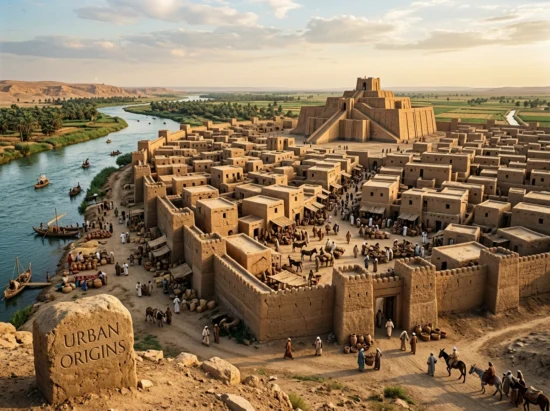
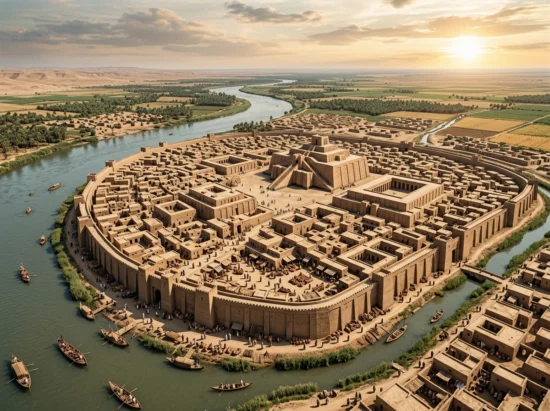
The Babylonian Empire, also known as the Neo-Babylonian Empire, was a vast and powerful empire that flourished in ancient Mesopotamia (modern-day Iraq) around 1800 BCE. Its history is a testament to the ingenuity, creativity, and resilience of its people, who built a civilization that would last for centuries and leave an indelible mark on the world. In this article, we’ll delve into the fascinating world of the Babylonian Empire, exploring its rise to power, its achievements, and its eventual decline.
The Early Years of the Babylonian Empire
The city of Babylon, situated on the fertile plains of the Euphrates River, was first inhabited around 2300 BCE. However, it wasn’t until the rise of the Amorite dynasty in the 18th century BCE that the city began to take shape as a major power. The Amorites were a Semitic people who migrated to Mesopotamia from the west, bringing with them their unique culture, language, and customs. They established a new order, with the city of Babylon at its center, and set the stage for the emergence of the Babylonian Empire.
The Rise of Hammurabi and the Code of Hammurabi
One of the most significant figures in Babylonian history was Hammurabi, a king who ruled Babylon from 1792 to 1750 BCE. Hammurabi’s reign marked a turning point in the history of the Babylonian Empire, as he expanded its borders, strengthened its economy, and promoted the arts and sciences. He also established the Code of Hammurabi, a set of laws that would become the foundation for future civilizations. The Code of Hammurabi, inscribed on a seven-and-a-half-ton diorite stone, was a masterpiece of Babylonian law, which covered everything from marriage and family law to business and property rights.
The Achievements of the Babylonian Empire
The Babylonian Empire was a time of great cultural, scientific, and artistic achievement. Its people made significant contributions to mathematics, astronomy, and medicine. The Babylonians were skilled astronomers who developed a sophisticated system of astronomy, which included the concept of the solar year and the discovery of the 360-degree circle. They also made significant advances in medicine, with the development of the first known medical text, the “Shurpu Prognostics,” which included treatments for a wide range of ailments.
The Hanging Gardens of Babylon
One of the most enduring legends of the Babylonian Empire is the Hanging Gardens of Babylon, said to have been built by King Nebuchadnezzar II for his wife, Queen Amytis. According to legend, Queen Amytis missed the green hills of her homeland, so King Nebuchadnezzar II built a magnificent garden, which he called the “Hanging Gardens.” The Hanging Gardens were said to be a marvel of engineering, with trees and flowers suspended in mid-air by a complex system of arches and aqueducts. While the existence of the Hanging Gardens is still a topic of debate, their legend has captivated people for centuries, symbolizing the ingenuity and creativity of the Babylonian people.
The Decline of the Babylonian Empire
The Babylonian Empire began to decline in the 6th century BCE, with the rise of the Persian Empire under Cyrus the Great. The Babylonian Empire was eventually conquered by the Persians in 539 BCE, and its people were absorbed into the Persian Empire. However, the legacy of the Babylonian Empire continued to shape the world, influencing the development of law, science, and art for centuries to come.
Conclusion
The Babylonian Empire was a remarkable civilization that left an indelible mark on the world. Its people made significant contributions to mathematics, astronomy, and medicine, and their culture and achievements continue to inspire us today. From the rise of Hammurabi to the decline of the empire, the story of the Babylonian Empire is a testament to the ingenuity, creativity, and resilience of its people.
FAQs
What was the significance of the Code of Hammurabi?
The Code of Hammurabi was a set of laws that established the foundation for future civilizations. It covered everything from marriage and family law to business and property rights, and was inscribed on a seven-and-a-half-ton diorite stone.
Who was King Nebuchadnezzar II?
King Nebuchadnezzar II was a king of the Babylonian Empire who ruled from 605 to 562 BCE. He is credited with building the Hanging Gardens of Babylon, one of the most enduring legends of the Babylonian Empire.
What was the Hanging Gardens of Babylon?
The Hanging Gardens of Babylon were said to be a marvel of engineering, with trees and flowers suspended in mid-air by a complex system of arches and aqueducts. While their existence is still a topic of debate, their legend has captivated people for centuries, symbolizing the ingenuity and creativity of the Babylonian people.
What was the impact of the Babylonian Empire on the world?
The Babylonian Empire had a profound impact on the world, influencing the development of law, science, and art for centuries to come. Its people made significant contributions to mathematics, astronomy, and medicine, and their culture and achievements continue to inspire us today.