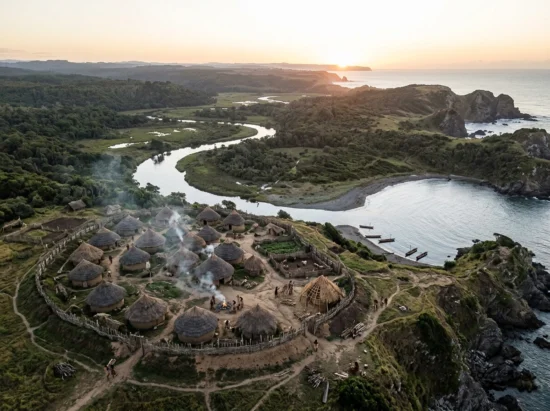
Ancient India and the Indus Valley Civilization
Introduction
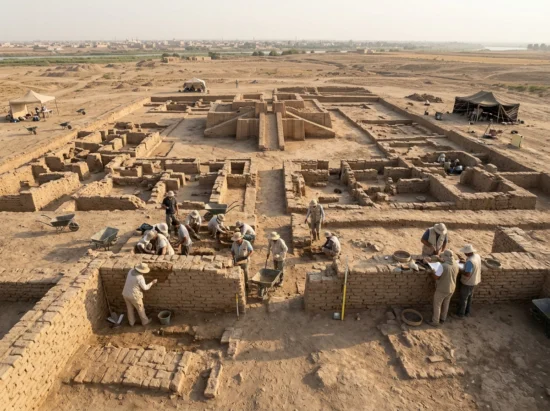
The Indus Valley Civilization, also known as the Harappan Civilization, was a sophisticated and advanced culture that flourished in ancient India around 4300 years ago. The civilization was discovered in the 1920s by British archaeologist John Marshall, who excavated the site of Mohenjo-Daro in modern-day Pakistan. Since then, numerous excavations and research have shed light on the intricacies of this enigmatic civilization. In this article, we will delve into the history, culture, and significance of the Indus Valley Civilization.
Geography and Climate
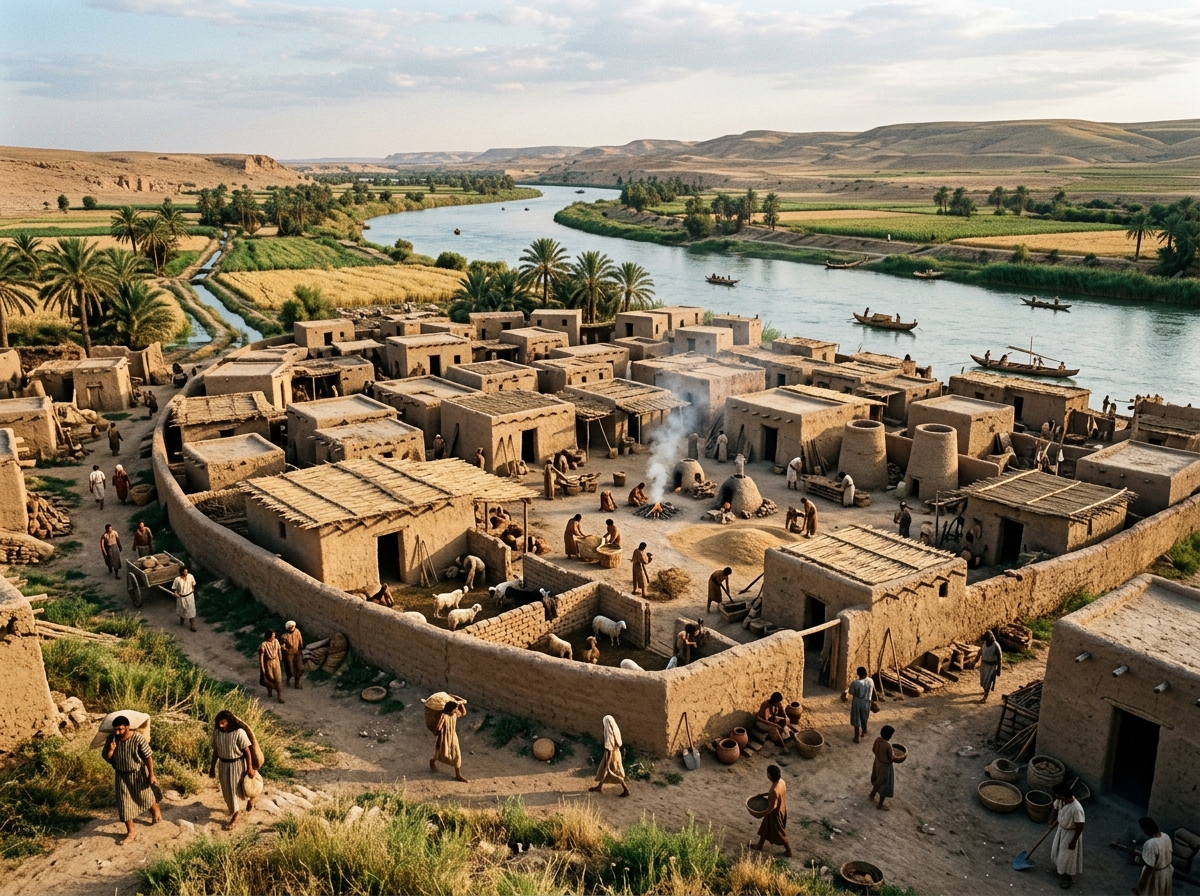
The Indus Valley Civilization thrived in the fertile Indus River Valley, which spans across present-day Pakistan and northwestern India. The region’s climate is characterized by hot summers and mild winters, with an average annual rainfall of around 300 mm. The valley’s fertile soil and abundant water supply made it an ideal location for agriculture and settlements. The civilization’s cities were typically situated near the river, which provided a reliable source of water and facilitated trade and commerce.
The Cities of the Indus Valley Civilization
Two of the most notable cities of the Indus Valley Civilization were Mohenjo-Daro and Harappa. Mohenjo-Daro, situated in present-day Pakistan, was the largest city, with a population of around 40,000 people. The city was divided into two sections: the “Great Bath” and the “citadel.” The Great Bath was a large public bath, built using advanced engineering techniques, while the citadel was a fortified area that served as the city’s administrative center. Harappa, located in present-day Pakistan, was another significant city, with a population of around 30,000 people. The city was known for its impressive architecture, including the famous “Granary” building.
Architecture and Engineering
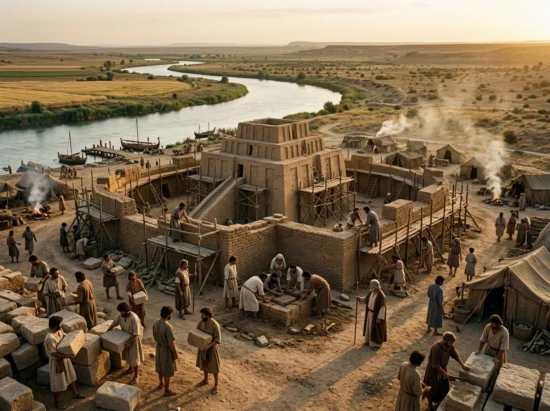
The Indus Valley Civilization was renowned for its impressive architectural and engineering feats. The cities were built using kiln-fired bricks, which were a testament to the civilization’s advanced technology. The buildings were designed to withstand earthquakes, with walls built using a sophisticated system of buttresses and arches. The civilization’s engineers also developed a sophisticated drainage system, which included the use of toilets and sewage systems. The Great Bath at Mohenjo-Daro is an exemplary example of the civilization’s engineering prowess, with its advanced drainage system and sophisticated water management techniques.
Art and Symbolism
The Indus Valley Civilization was known for its rich artistic and symbolic heritage. The civilization’s artists created intricate seals, which featured a wide range of motifs, including animals, plants, and geometric shapes. The seals were used for administrative and ceremonial purposes, and they provide valuable insights into the civilization’s culture and symbolism. The civilization’s artisans also created beautiful pottery and jewelry, which showcased their expertise in craftsmanship and design. The use of geometric shapes, particularly the spiral, was a distinctive feature of the civilization’s art and symbolism.
Writing System and Language
The Indus Valley Civilization had a sophisticated writing system, which consisted of over 400 symbols. The writing system was logographic, meaning that each symbol represented a word or concept, rather than a sound. The civilization’s language is still not fully deciphered, but it is believed to have been a language isolate, meaning that it did not belong to any known language family. The writing system was used for administrative and ceremonial purposes, and it provides valuable insights into the civilization’s culture and language.
Trade and Commerce
The Indus Valley Civilization was a major trading power in ancient India. The civilization’s merchants traded extensively with other civilizations, including the Sumerians in Mesopotamia and the Egyptians in Egypt. The trade routes stretched across the Indian subcontinent, and the civilization’s merchants traded goods such as cotton, wheat, and barley. The civilization’s cities were also centers of commerce, with a thriving market economy. The cities were known for their impressive architecture, including the famous “Granary” building at Harappa.
Society and Economy
The Indus Valley Civilization was a complex society, with a strong emphasis on social hierarchy and economic specialization. The civilization’s cities were divided into two sections: the “citadel” and the “lower city.” The citadel was the administrative center, where the rulers and officials resided. The lower city was the residential area, where the artisans, merchants, and laborers lived. The civilization’s economy was based on agriculture, with a strong emphasis on trade and commerce. The civilization’s people were skilled artisans, and they developed a sophisticated system of weights and measures.
Decline and Legacy
The Indus Valley Civilization began to decline around 1900 BCE, due to a combination of factors, including climate change, drought, and the invasion of the Aryans. The civilization’s cities were abandoned, and the people were assimilated into the surrounding culture. The legacy of the Indus Valley Civilization is still evident in the modern-day cities of Pakistan and northwestern India. The civilization’s architecture, art, and symbolism continue to inspire and fascinate people around the world.
FAQs
Q: What was the significance of the Indus Valley Civilization?
The Indus Valley Civilization was a sophisticated and advanced culture that flourished in ancient India around 4300 years ago. The civilization’s cities were built using advanced engineering techniques, and its people developed a sophisticated writing system and language. The civilization’s artisans created intricate seals, which featured a wide range of motifs, including animals, plants, and geometric shapes. The civilization’s legacy continues to inspire and fascinate people around the world.
Q: How did the Indus Valley Civilization decline?
The Indus Valley Civilization began to decline around 1900 BCE, due to a combination of factors, including climate change, drought, and the invasion of the Aryans. The civilization’s cities were abandoned, and the people were assimilated into the surrounding culture.
Q: What was the significance of the Great Bath at Mohenjo-Daro?
The Great Bath at Mohenjo-Daro was a large public bath, built using advanced engineering techniques. The bath was a testament to the civilization’s advanced technology and its sophisticated system of drainage and water management.
Q: How did the Indus Valley Civilization’s writing system work?
The Indus Valley Civilization’s writing system was logographic, meaning that each symbol represented a word or concept, rather than a sound. The writing system consisted of over 400 symbols, and it is still not fully deciphered. The writing system was used for administrative and ceremonial purposes, and it provides valuable insights into the civilization’s culture and language.
Conclusion
The Indus Valley Civilization was a sophisticated and advanced culture that flourished in ancient India around 4300 years ago. The civilization’s cities were built using advanced engineering techniques, and its people developed a sophisticated writing system and language. The civilization’s artisans created intricate seals, which featured a wide range of motifs, including animals, plants, and geometric shapes. The civilization’s legacy continues to inspire and fascinate people around the world.