Ancient Sumerian Civilization Explained
The Sumerian civilization, which flourished in Mesopotamia (modern-day Iraq) between 4500 and 1900 BCE, is one of the most fascinating and influential cultures of the ancient world. The Sumerians are credited with being the first urban civilization, and their contributions to literature, law, architecture, and governance laid the foundations for the development of modern society.
Origins of the Sumerian Civilization
The Sumerian civilization is believed to have originated in the fertile plains of Mesopotamia, where the Tigris and Euphrates rivers converged. The region’s unique geography, with its annual floods and fertile soil, made it an ideal place for early agriculture and settlement. The Sumerians were skilled farmers, and their cities were built around the temples of their patron deity, Enlil.
Early Sumerian Cities
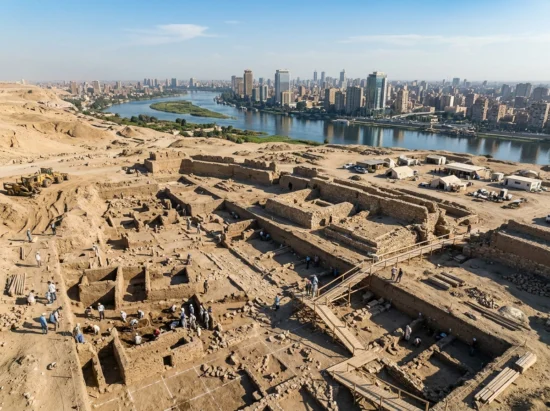
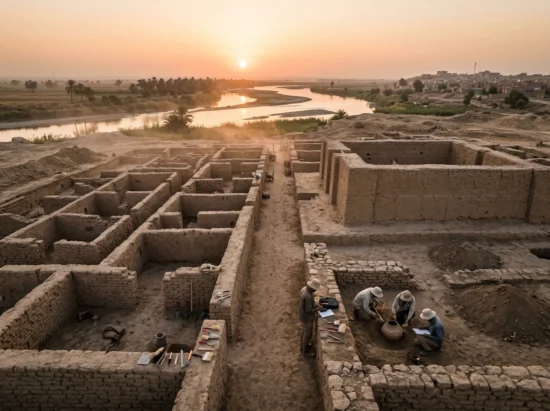
The first Sumerian cities were built around 4500 BCE, during the Uruk period. The cities were typically surrounded by walls, with a central temple complex dedicated to Enlil, the god of the storm. The Sumerians were skilled architects, and their cities were built with sophisticated drainage systems, roads, and marketplaces. Some of the earliest Sumerian cities include Eridu, Uruk, and Ur.
Sumerian Society and Government
Sumerian society was divided into three classes: the priests, the nobles, and the commoners. The priests were responsible for the temples and the worship of the gods, while the nobles were the ruling class and the owners of the land. The commoners were the farmers, artisans, and laborers who worked the land and built the cities.
Government and Law
The Sumerians were among the first to develop a system of government, with a council of elders and a king or priest who served as the head of state. The Sumerians also developed a system of law, with the famous “Code of Ur-Nammu,” which was inscribed on a clay tablet around 2100 BCE. The code outlined the laws and penalties for crimes such as murder, theft, and adultery.
Sumerian Literature and Art
The Sumerians were skilled writers and poets, and their literature is some of the oldest and most beautiful in the world. The Epic of Gilgamesh, which tells the story of a king who seeks immortality, is one of the oldest surviving works of literature. The Sumerians also developed a system of writing, with cuneiform symbols that were used to record business transactions, laws, and literature.
Art and Architecture
Sumerian art and architecture were characterized by the use of ziggurats, stepped pyramids that were built as temples to the gods. The Sumerians also developed a system of frescoes and paintings, which were used to decorate the walls of their temples and palaces. The Sumerians were skilled craftsmen, and their art is characterized by its beauty, intricacy, and attention to detail.
Sumerian Legacy
The Sumerian civilization had a profound impact on the development of Western civilization. The Sumerians are credited with being the first to develop a system of writing, a system of government, and a system of law. The Sumerians also developed a system of architecture, with the ziggurat, which was adopted by later civilizations. The Sumerians’ legacy can be seen in the development of modern society, from the use of writing and law to the design of cities and buildings.
Timeline of Sumerian History
The Sumerian civilization is typically divided into three periods: the Uruk period, the Akkadian period, and the Ur III period. The Uruk period, which lasted from around 4500 to 3200 BCE, saw the rise of the first Sumerian cities. The Akkadian period, which lasted from around 3200 to 2500 BCE, saw the rise of the Akkadian Empire, which united the Sumerian cities under a single ruler. The Ur III period, which lasted from around 2100 to 1900 BCE, saw the rise of the Ur III dynasty, which ruled the Sumerian cities and implemented a system of writing and law.
Conclusion
The Sumerian civilization was a remarkable achievement in the history of human civilization. The Sumerians were skilled farmers, architects, writers, and poets, and their contributions to literature, law, architecture, and governance laid the foundations for the development of modern society. The Sumerian legacy can be seen in the development of modern cities, buildings, and systems of government, and their influence can be seen in the art and architecture of later civilizations.
FAQ
Q: What was the significance of the Sumerian ziggurat?
A: The Sumerian ziggurat was a stepped pyramid that was built as a temple to the gods. The ziggurat was a symbol of the Sumerian city’s power and wealth, and it was often decorated with frescoes and paintings. The ziggurat also served as a place of worship and a center of government.
Q: What was the Code of Ur-Nammu?
A: The Code of Ur-Nammu was a system of laws that was inscribed on a clay tablet around 2100 BCE. The code outlined the laws and penalties for crimes such as murder, theft, and adultery. The code was an important milestone in the development of law and governance in ancient Mesopotamia.
Q: What was the significance of the Epic of Gilgamesh?
A: The Epic of Gilgamesh was one of the oldest surviving works of literature. The epic tells the story of a king who seeks immortality, and it explores themes of friendship, love, and the human condition. The epic was an important milestone in the development of literature and poetry in ancient Mesopotamia.
Q: What was the impact of the Sumerian civilization on the development of Western civilization?
A: The Sumerian civilization had a profound impact on the development of Western civilization. The Sumerians are credited with being the first to develop a system of writing, a system of government, and a system of law. The Sumerians also developed a system of architecture, with the ziggurat, which was adopted by later civilizations. The Sumerians’ legacy can be seen in the development of modern society, from the use of writing and law to the design of cities and buildings.