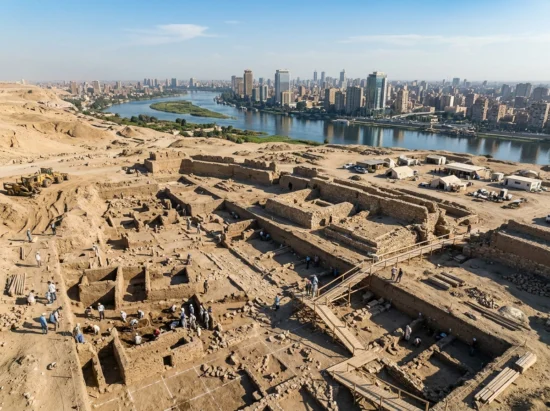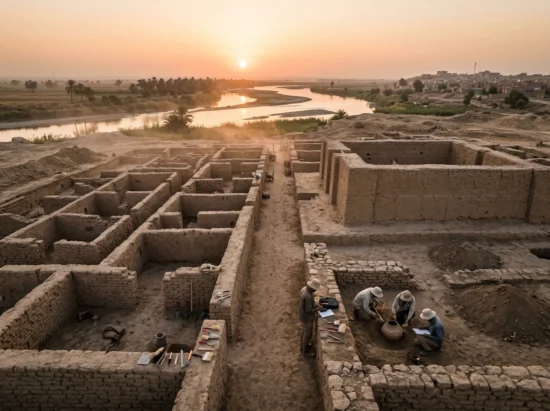
The Construction of the Egyptian Pyramids
The construction of the Egyptian pyramids is one of the most fascinating and enduring mysteries of ancient civilizations. These towering structures, built around 4500 years ago, continue to captivate the imagination of people worldwide. The pyramids were not only grand architectural achievements but also testaments to the ingenuity, skill, and perseverance of the ancient Egyptians. In this article, we will delve into the history, construction techniques, and the significance of these magnificent structures.
A Brief History of the Pyramids
The pyramids were built during the Old Kingdom period of ancient Egypt, which spanned from approximately 2613 to 2181 BCE. The first pyramid, the Great Pyramid of Giza, was constructed during the reign of Pharaoh Khufu (also known as Cheops) around 2580 BCE. The pyramid was built as a tomb for the pharaoh, and its construction is believed to have taken around 20 years to complete. The second pyramid, built during the reign of Pharaoh Khafre, is slightly smaller than the Great Pyramid, while the third pyramid, built during the reign of Pharaoh Menkaure, is the smallest of the three.
Construction Techniques
The construction of the pyramids was a complex and highly organized process that required an enormous amount of manpower, resources, and skill. The pyramids were built using limestone and granite blocks, some of which weighed as much as 2.5 tons. The construction process involved several stages, including:
- Quarrying and transporting the stone blocks from the nearby quarries to the construction site.
- Building the core of the pyramid using limestone and granite blocks.
- Adding a layer of smooth limestone on top of the core to create a uniform surface.
- Constructing the pyramid’s internal chamber and the pharaoh’s tomb.
The ancient Egyptians used simple yet effective tools made of copper and stone to cut and transport the stone blocks. They also used a system of ramps and pulleys to move the blocks into place. The construction process was likely overseen by a team of skilled architects, engineers, and laborers who worked together to achieve the monumental task.
Tools and Technology
The construction of the pyramids was a testament to the ingenuity of the ancient Egyptians, who used simple yet effective tools to achieve their goals. Some of the tools used in the construction process include:
- Copper chisels and mauls to cut and shape the stone blocks.
- Stone axes to quarry and transport the stone blocks.
- Pulleys and ropes to move the blocks into place.
- Wooden wedges and levers to maneuver the blocks.
The ancient Egyptians also developed a sophisticated system of mathematics and geometry to ensure that the pyramids were built with precision and accuracy. They used a decimal system and developed mathematical concepts such as pi (π) to calculate the surface area and volume of the pyramids.
The Significance of the Pyramids
The pyramids were not only grand architectural achievements but also held significant cultural and spiritual importance for the ancient Egyptians. The pyramids were built as tombs for the pharaohs, who were believed to have become gods in the afterlife. The pyramids were also seen as a means of providing for the pharaoh’s needs in the afterlife, with the pyramid’s internal chamber and the pharaoh’s tomb providing a means of sustenance and protection.
The pyramids also held significant economic and social importance, as they required a massive workforce to build and maintain them. The construction of the pyramids was a testament to the power and wealth of the pharaohs, who were able to command such a large workforce and resources.
Conclusion
The construction of the Egyptian pyramids is a testament to the ingenuity, skill, and perseverance of the ancient Egyptians. These magnificent structures continue to captivate the imagination of people worldwide, and their construction is a reminder of the incredible achievements of human civilization. The pyramids were not only grand architectural achievements but also held significant cultural and spiritual importance for the ancient Egyptians, and their legacy continues to inspire and awe us today.
Practical FAQ
Q: How long did it take to build the Great Pyramid of Giza?
The construction of the Great Pyramid of Giza is believed to have taken around 20 years to complete. However, the exact duration of the construction process is still a topic of debate among historians and archaeologists.
Q: How many stone blocks were used in the construction of the Great Pyramid?
It is estimated that around 2.3 million stone blocks were used in the construction of the Great Pyramid. Each block weighed an average of 2.5 tons, making it one of the largest and most impressive architectural achievements in human history.
Q: What was the purpose of the internal chamber and the pharaoh’s tomb?
The internal chamber and the pharaoh’s tomb were built to provide a means of sustenance and protection for the pharaoh in the afterlife. The pyramid’s internal chamber was also believed to be a means of providing a path for the pharaoh’s soul to ascend to the afterlife.
Q: How did the ancient Egyptians move the massive stone blocks into place?
The ancient Egyptians used a system of ramps and pulleys to move the blocks into place. They also used simple yet effective tools made of copper and stone to cut and transport the stone blocks.