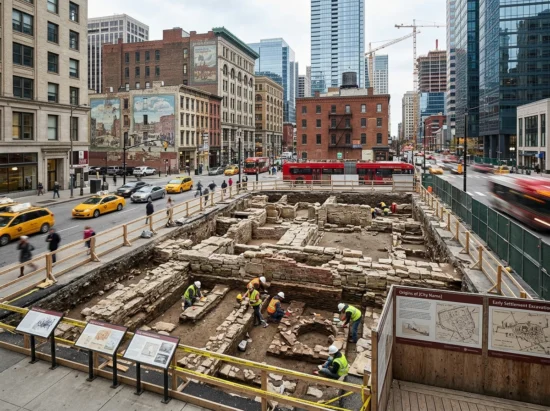
The Greatest Archaeological Discoveries Ever Made
For centuries, humans have been fascinated by the past. The discovery of ancient artifacts, ruins, and texts has allowed us to peek into the lives of our ancestors, revealing their cultures, achievements, and struggles. Archaeological discoveries have revolutionized our understanding of history, transforming the way we perceive the world and its development. In this article, we’ll delve into the most significant archaeological finds, exploring the secrets they’ve uncovered and the impact they’ve had on our collective knowledge.
The Ancient City of Troy
Legendary for its association with Homer’s epic poem, the Iliad, the ancient city of Troy has long been the subject of debate. In 1870, Heinrich Schliemann excavated the site, revealing a thriving metropolis that once existed around 1200 BC. The discovery of Troy’s walls, palaces, and artifacts confirmed the existence of the city, validating the epic poem’s account of the Trojan War. This find not only shed light on a pivotal event in ancient Greek history but also demonstrated the importance of archaeology in verifying historical records.
The Terracotta Army of Xi’an
Discovered in 1974, the Terracotta Army is an awe-inspiring collection of life-sized soldiers, horses, and chariots, crafted from terracotta and other materials. The army, estimated to have taken over 30 years to create, consists of over 8,000 individual pieces, each intricately detailed. The excavation of the Terracotta Army has provided a unique glimpse into the funerary practices of the ancient Chinese, highlighting the significance of the afterlife in their culture. This find has also allowed us to better comprehend the administrative and organizational capabilities of the Qin dynasty.
The Dead Sea Scrolls
Hidden away in the Qumran Caves near the Dead Sea, a treasure trove of ancient texts was discovered in 1947. The Dead Sea Scrolls, comprising over 900 manuscripts, include biblical texts, apocryphal works, and other writings. The find has greatly expanded our understanding of Jewish history, revealing previously unknown texts and shedding light on the development of the Hebrew Bible. This discovery has also sparked debates about the origins of Christianity and the role of the Jewish community in the ancient world.
The Pompeii and Herculaneum Ruins
Preserved by the eruption of Mount Vesuvius in 79 AD, the ancient Roman cities of Pompeii and Herculaneum have provided a snapshot of life in ancient Italy. The excavations have uncovered remarkably well-preserved ruins, including buildings, artifacts, and even the casts of victims. This find has allowed us to gain insight into the daily lives of the people who lived in these cities, their culture, and their ultimate fate. The Pompeii and Herculaneum ruins serve as a poignant reminder of the devastating consequences of natural disasters and the importance of preserving historical sites.
The Göbekli Tepe Temple
Located in modern-day Turkey, Göbekli Tepe is the world’s oldest known temple complex. Dating back to around 10,000 BC, this site has revolutionized our understanding of human history, challenging the traditional narrative of the rise of agriculture and civilization. The discovery of Göbekli Tepe has demonstrated that hunter-gatherer societies were capable of constructing complex architectural structures, forcing us to reevaluate our assumptions about the development of human societies.
The Indus Valley Civilization
Excavations in present-day Pakistan have uncovered the remains of the Indus Valley Civilization, a sophisticated urban culture that flourished around 3300 BC. The discovery of the cities of Mohenjo-Daro and Harappa has revealed a highly advanced society with a sophisticated system of writing, architecture, and trade. This find has greatly expanded our understanding of the rise of civilization in the ancient world, challenging the traditional narrative of the development of human societies.
The Egyptian Pyramids
For centuries, the Pyramids of Giza have been an enigmatic presence on the world stage. The construction of these monumental structures, dating back to around 2500 BC, has long been a source of fascination. The discovery of the Great Pyramid’s internal chambers, the Sphinx, and other artifacts has provided a glimpse into the funerary practices of the ancient Egyptians, as well as the administrative and organizational capabilities of the pharaohs.
The Roman Mosaics of Pompeii
The Roman Mosaics of Pompeii have provided a unique window into the artistic and cultural tastes of the ancient Romans. The discovery of these intricate works of art has revealed a highly developed sense of aesthetics and a sophisticated understanding of color, form, and composition. This find has greatly expanded our understanding of the role of art in ancient Roman society and the significance of mosaics in the development of Roman art.
The Mayan Ruins of Tikal
Located in present-day Guatemala, the Mayan Ruins of Tikal have provided a glimpse into the lives of the ancient Mayan civilization. The discovery of the ruins has revealed a highly developed society with a sophisticated system of writing, architecture, and trade. This find has greatly expanded our understanding of the rise of civilization in the ancient world, challenging the traditional narrative of the development of human societies.
The Olmec Heads of Colossal Size
Discovered in the 1930s, the Olmec Heads of Colossal Size have provided a glimpse into the funerary practices of the ancient Olmec civilization. The discovery of these massive stone heads has revealed a highly developed sense of art and a sophisticated understanding of sculpture. This find has greatly expanded our understanding of the role of art in ancient Mesoamerican society and the significance of the Olmec civilization in the development of human culture.
The Nazca Lines
Located in present-day Peru, the Nazca Lines have provided a glimpse into the lives of the ancient Nazca civilization. The discovery of these intricate geoglyphs has revealed a highly developed sense of art and a sophisticated understanding of astronomy. This find has greatly expanded our understanding of the role of art in ancient South American society and the significance of the Nazca Lines in the development of human culture.
The Tarim Basin Mummies
Discovered in the 1970s, the Tarim Basin Mummies have provided a glimpse into the lives of the ancient Tarim Basin civilization. The discovery of these remarkably preserved mummies has revealed a highly developed sense of funerary practices and a sophisticated understanding of burial customs. This find has greatly expanded our understanding of the rise of civilization in the ancient world, challenging the traditional narrative of the development of human societies.
Conclusion
Archaeological discoveries have revolutionized our understanding of human history, allowing us to peek into the lives of our ancestors and revealing the secrets of the past. The finds discussed in this article have greatly expanded our understanding of the rise of civilization, the development of human societies, and the significance of art and culture in ancient societies. These discoveries have also challenged traditional narratives and forced us to reevaluate our assumptions about the development of human societies.
FAQs
Q: What is the significance of the Göbekli Tepe discovery?
A: The discovery of Göbekli Tepe has revolutionized our understanding of human history, challenging the traditional narrative of the rise of agriculture and civilization. It has demonstrated that hunter-gatherer societies were capable of constructing complex architectural structures, forcing us to reevaluate our assumptions about the development of human societies.
Q: How did the discovery of the Dead Sea Scrolls impact our understanding of Jewish history?
A: The discovery of the Dead Sea Scrolls has greatly expanded our understanding of Jewish history, revealing previously unknown texts and shedding light on the development of the Hebrew Bible. This find has also sparked debates about the origins of Christianity and the role of the Jewish community in the ancient world.
Q: What is the importance of the Pompeii and Herculaneum ruins?
A: The Pompeii and Herculaneum ruins have provided a snapshot of life in ancient Italy, revealing the daily lives of the people who lived in these cities, their culture, and their ultimate fate. This find has also served as a poignant reminder of the devastating consequences of natural disasters and the importance of preserving historical sites.
Q: How has the discovery of the Olmec Heads of Colossal Size impacted our understanding of ancient Mesoamerican society?
A: The discovery of the Olmec Heads of Colossal Size has greatly expanded our understanding of the role of art in ancient Mesoamerican society and the significance of the Olmec civilization in the development of human culture. This find has also revealed a highly developed sense of art and a sophisticated understanding of sculpture.
Q: What is the significance of the Nazca Lines in the development of human culture?
A: The Nazca Lines have provided a glimpse into the lives of the ancient Nazca civilization, revealing a highly developed sense of art and a sophisticated understanding of astronomy. This find has greatly expanded our understanding of the role of art in ancient South American society and the significance of the Nazca Lines in the development of human culture.