Unveiling the Mysteries of Daily Life in Medieval Europe
The Basics of Medieval Society
Medieval Europe, spanning from the 5th to the 15th century, was a time of great change and development. The period is often divided into three distinct eras: the Early Middle Ages, the High Middle Ages, and the Late Middle Ages. Each era saw significant advancements in technology, art, architecture, and most importantly, the way people lived their daily lives.
At the heart of medieval society was the feudal system, which dictated the relationships between lords, vassals, and peasants. The lord provided protection and a place to live, while the vassal offered military service and loyalty. The peasants, on the other hand, worked the land and provided the bulk of the food. This system was not only economic but also social, as it defined one’s place in society and their duties towards others.
Life in the Village
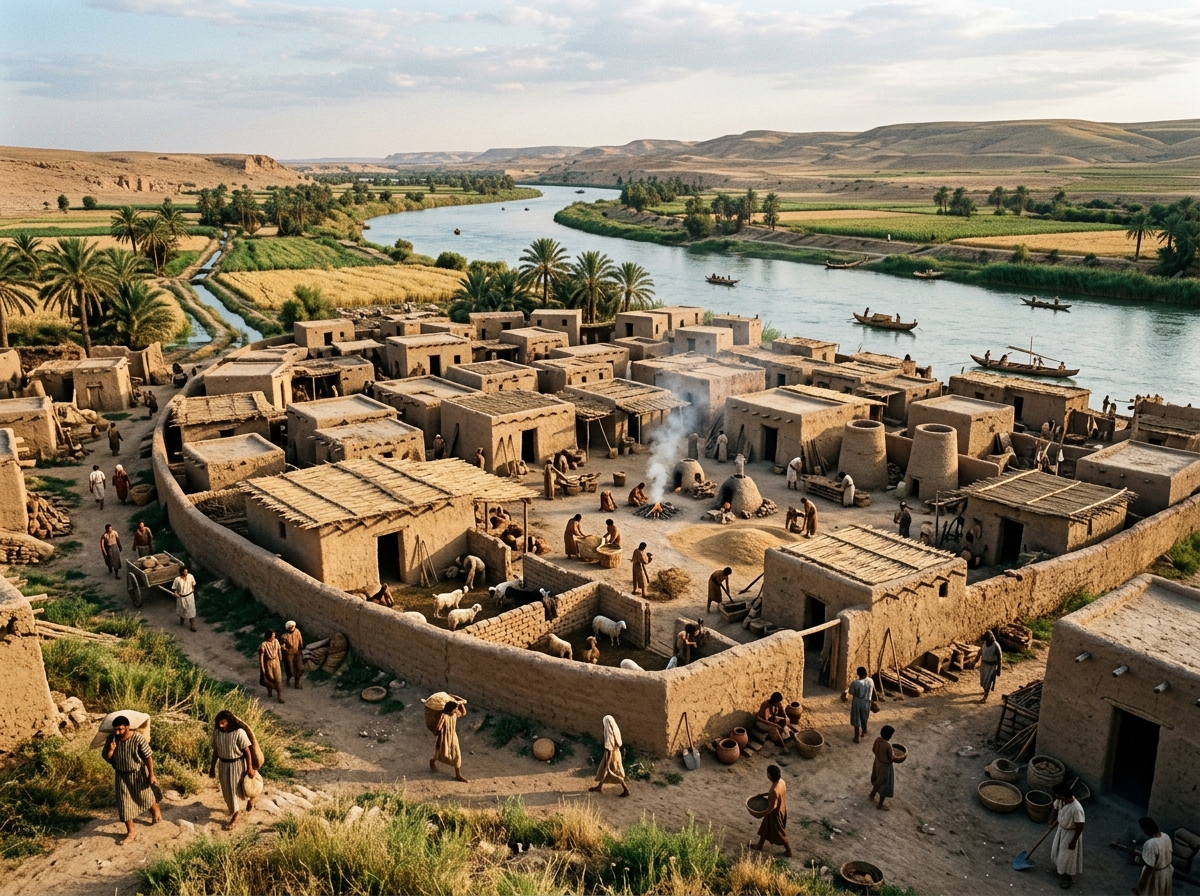
Most people lived in small villages or rural communities, where they were close to the land and the lord’s manor. Life in the village was simple, yet challenging. The day began at dawn, with the sound of the village bell signaling the start of the day. The villagers would then attend morning prayers at the local church, followed by a hearty breakfast of bread, cheese, and sometimes meat.
Women played a crucial role in village life, managing the household, tending to the children, and helping with the agricultural work. They also spun wool, wove cloth, and performed other domestic tasks. Men, on the other hand, worked the land, tended to the animals, and provided for the family. The villagers worked together, sharing the workload and enjoying each other’s company.
Food and Drink in Medieval Times
Meals were simple and often consisted of bread, vegetables, and sometimes meat. The wealthy would enjoy more exotic dishes, such as roasted meats and stews, while the poor would often go hungry. Ale and beer were staple drinks, brewed at home or purchased from local taverns. Wine was a luxury only the wealthy could afford.
Food was a communal affair, with the family gathering around the table for meals. The lord’s table, on the other hand, was a place of grandeur, where the lord and his guests would feast on fine meats and delicacies. The peasants, however, would often go to bed with a full stomach, only to wake up with an empty one.
Education and Learning in the Middle Ages
Education was not a priority in medieval society, but those who could afford it would send their children to school. The monastery schools were the epicenter of learning, where monks would teach the children of the lord’s family and the village children. The curriculum included reading, writing, arithmetic, and Latin, as well as the arts and music.
The wealthy would often send their children to the university, where they would study theology, law, medicine, and philosophy. The universities of Paris, Oxford, and Cambridge were the centers of learning, where the greatest minds of the time would gather to discuss and debate the latest ideas.
Health and Medicine in Medieval Times
Medicine was a mix of science and superstition. The wealthy would consult the best doctors, who would use herbs, potions, and other remedies to cure ailments. The poor, on the other hand, would rely on local healers, who would use a combination of magic and science to treat illnesses.
Plagues and epidemics were a common occurrence, with the Black Death being the most devastating. The population of Europe was decimated, with estimates suggesting that up to 60% of the population died. The plague had a profound impact on society, leading to changes in the way people lived, worked, and interacted with one another.
Leisure Activities in Medieval Europe
Leisure activities were limited, but the villagers would often gather for sports, such as archery and wrestling. Music and dance were also popular pastimes, with the villagers gathering to sing and dance around the fire. The lord’s court would also host jousting tournaments, where knights would compete for the favor of the lady.
The wealthy would enjoy more refined pursuits, such as chess, backgammon, and other board games. They would also attend the theater, where they would watch performances of music, dance, and drama. The universities would also host debates and discussions, where scholars would engage in lively debates and arguments.
Challenges and Opportunities in Medieval Europe
Medieval Europe was a time of great change and development. The period saw the rise of cities, the growth of trade, and the emergence of new ideas and technologies. The challenges of the time included the plague, wars, and the struggle for power between the lord and the peasants.
The opportunities, however, were vast. The period saw the emergence of great artists, writers, and thinkers, who would shape the course of history. The universities would become the centers of learning, where the greatest minds of the time would gather to discuss and debate the latest ideas.
Conclusion
Life in medieval Europe was simple, yet complex. The feudal system defined one’s place in society, while the lord’s manor provided a sense of security and protection. The villagers worked together, sharing the workload and enjoying each other’s company. The period saw great change and development, with the emergence of new ideas, technologies, and artistic expressions.
FAQs
What was the feudal system?
The feudal system was a social and economic system that defined the relationships between lords, vassals, and peasants. The lord provided protection and a place to live, while the vassal offered military service and loyalty. The peasants, on the other hand, worked the land and provided the bulk of the food.
What was life like in the village?
Life in the village was simple, yet challenging. The day began at dawn, with the sound of the village bell signaling the start of the day. The villagers would then attend morning prayers at the local church, followed by a hearty breakfast of bread, cheese, and sometimes meat.
What was the role of women in medieval society?
Women played a crucial role in medieval society, managing the household, tending to the children, and helping with the agricultural work. They also spun wool, wove cloth, and performed other domestic tasks.
What were the major challenges of medieval Europe?
The major challenges of medieval Europe included the plague, wars, and the struggle for power between the lord and the peasants. The period also saw the emergence of new ideas, technologies, and artistic expressions, which would shape the course of history.