The Rise and Fall of the Aztec Empire
Introduction
In the heart of modern-day Mexico, a powerful and sophisticated civilization once flourished. The Aztec Empire, which existed from the 14th to the 16th century, was a mighty force that left an indelible mark on the region’s history. At its peak, the empire was a marvel of engineering, politics, and spirituality, with a complex system of government, architecture, and social hierarchy. The Aztecs were a polytheistic people who worshipped a pantheon of gods, with Huitzilopochtli, the sun god, being their most revered deity.
The Rise of the Aztecs
The Aztecs were a nomadic tribe that migrated to the Valley of Mexico in the early 14th century. They founded their capital city, Tenochtitlán, on the site of the present-day Mexico City. Under the leadership of their first emperor, Acamapichtli, the Aztecs began to establish a strong and organized society. They were skilled farmers, traders, and warriors, and their reputation as fierce fighters spread throughout the region.
As the Aztecs expanded their territories, they encountered other tribes and city-states. Through strategic alliances and military conquests, they absorbed the knowledge, skills, and populations of their defeated enemies. This process of assimilation allowed the Aztecs to create a vast and diverse empire that stretched from the Pacific Ocean to the Gulf of Mexico.
The Golden Age of the Aztecs
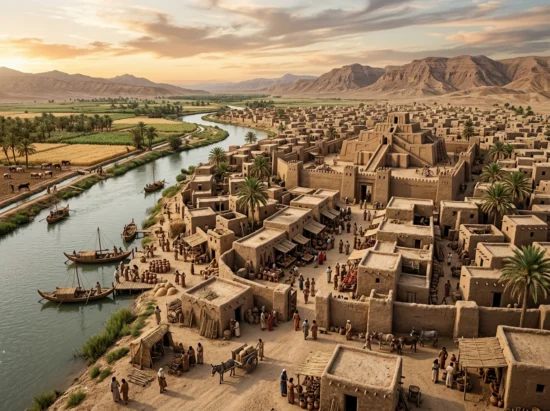
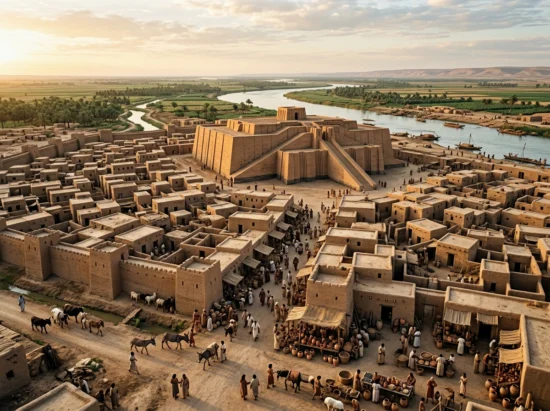
By the 15th century, the Aztecs had reached the pinnacle of their power and prosperity. Their capital city, Tenochtitlán, was a marvel of engineering, with advanced canals, aqueducts, and buildings. The city’s central square, the Templo Mayor, was the heart of Aztec spirituality, where the emperor would perform rituals and make sacrifices to the gods.
During this period, the Aztecs developed a sophisticated system of writing, using pictorial symbols to record their history, myths, and laws. Their calendar system was equally advanced, with multiple interlocking cycles that kept track of time and the movements of the stars.
The Aztecs were also skilled traders, exchanging goods with neighboring tribes and cities. Their economy was based on a system of tribute and taxation, where conquered territories would provide the Aztecs with goods, labor, and resources.
Decline and Fall of the Aztecs
Despite their impressive achievements, the Aztecs were facing internal conflicts and external threats. The Spanish conquistador Hernán Cortés arrived in Mexico in 1519, with a small but well-armed force. The Aztecs, under the leadership of their emperor Moctezuma II, were initially unaware of the threat posed by the Europeans. However, the arrival of Cortés and his men marked the beginning of the end for the Aztec Empire.
The Aztecs were devastated by the arrival of smallpox, a disease to which they had no immunity. The disease spread rapidly, weakening the Aztec population and creating divisions within their society. Cortés exploited these divisions, forming alliances with rival tribes and using his superior technology to defeat the Aztecs.
The fall of the Aztecs was a gradual process, with the Spanish conquistadors gradually capturing key cities and territories. Moctezuma II was captured and executed, and the Aztec Empire was eventually dissolved. The Spanish established their own colonial government, with Cortés as the viceroy.
Legacy of the Aztecs
The Aztecs left a lasting legacy in the region. Their capital city, Tenochtitlán, was rebuilt by the Spanish as Mexico City, which has become one of the world’s largest and most vibrant cities. The Aztecs’ advanced engineering, architecture, and spirituality continue to inspire modern-day Mexico and its people.
The Aztecs’ legacy extends beyond their own empire. They influenced the development of other civilizations in the region, such as the Mayans and the Toltecs. Their writing system, calendar, and mythology have been studied and admired by scholars and enthusiasts around the world.
Conclusion
The rise and fall of the Aztec Empire is a fascinating and complex story that spans centuries and continents. From their humble beginnings as a nomadic tribe to their peak as a powerful and sophisticated civilization, the Aztecs left an indelible mark on the history of the region. Their legacy continues to inspire and educate us today, offering a glimpse into a world that was both familiar and alien, yet still worthy of our admiration and respect.
FAQs
Q: What was the main cause of the Aztecs’ downfall?
The main cause of the Aztecs’ downfall was a combination of internal conflicts, external threats, and the arrival of diseases to which they had no immunity. The arrival of the Spanish conquistadors and the spread of smallpox weakened the Aztec population and created divisions within their society.
Q: What was the significance of the Aztecs’ calendar system?
The Aztecs’ calendar system was a sophisticated interlocking cycle that kept track of time and the movements of the stars. It consisted of multiple cycles, including the solar year, the lunar month, and the sacred cycle of the gods. The calendar system was an essential part of Aztec spirituality and was used to plan rituals, sacrifices, and other important events.
Q: What was the Aztecs’ system of government?
The Aztecs’ system of government was a complex hierarchical structure, with the emperor at the top and a network of officials, priests, and nobles below him. The emperor was the supreme ruler, with absolute power over the empire. He was advised by a council of nobles and priests, who helped him make decisions and govern the empire.
Q: What was the significance of the Aztecs’ writing system?
The Aztecs’ writing system was a sophisticated pictorial system that used symbols to record their history, myths, and laws. It consisted of multiple components, including logograms, phonetic symbols, and pictograms. The writing system was used to record important events, such as the conquests of the Aztecs, and to provide a written record of their mythology and legends.