Unveiling the Secrets of Ancient Egyptian Civilization
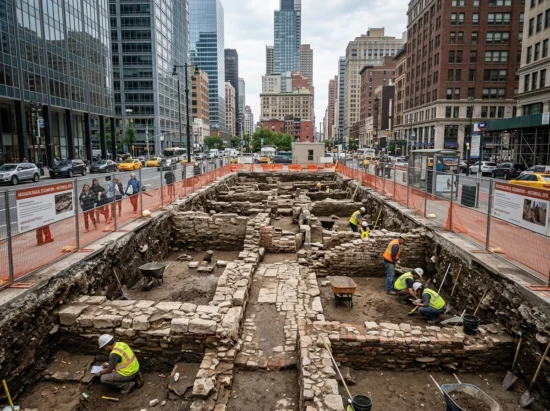
Located in the heart of Northeast Africa, the ancient Egyptian civilization is one of the most fascinating and enigmatic cultures in human history. For over 3,000 years, the Egyptians built a sophisticated and advanced society that left an indelible mark on the world. Their incredible achievements in architecture, engineering, art, and mathematics have captivated the imagination of people for centuries, inspiring countless explorations, excavations, and scholarly research.
The Rise of Ancient Egypt
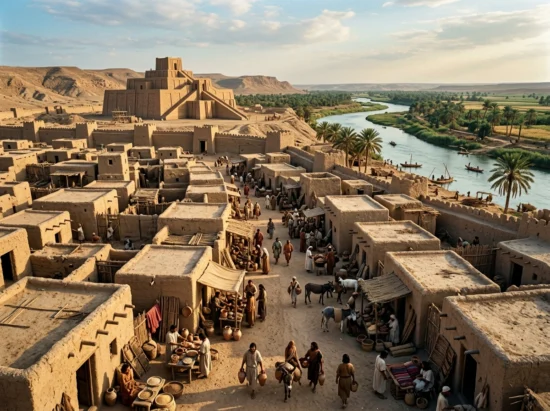
The history of ancient Egypt begins around 3100 BCE, when the first pharaohs emerged in the Nile Valley. The pharaohs, who were believed to be gods on earth, ruled with absolute power and authority. They built magnificent temples, palaces, and pyramids, and their people flourished under their wise leadership. The ancient Egyptians developed a complex system of government, with a powerful pharaoh at the helm and a vast network of officials and priests who served him.
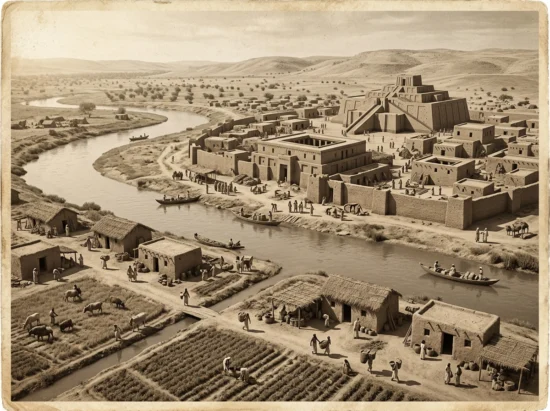
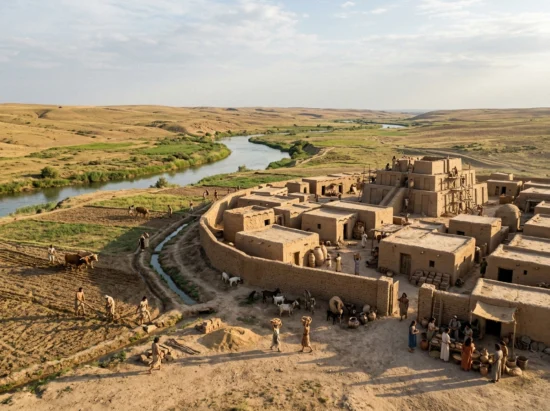
The ancient Egyptians were skilled farmers, who cultivated the fertile Nile Valley to produce an abundance of crops. They developed a sophisticated irrigation system, which allowed them to control the flow of water and ensure a reliable supply of food. This, in turn, enabled them to build a stable and prosperous society, with a high standard of living and a rich cultural heritage.
The Pyramids and Ancient Egyptian Architecture
One of the most iconic symbols of ancient Egypt is the pyramid, a towering structure that was built to honor the pharaohs and ensure their safe passage into the afterlife. The pyramids, particularly the Great Pyramid of Giza, are considered some of the most impressive architectural achievements in human history. The ancient Egyptians developed a sophisticated system of engineering, which enabled them to construct these massive structures using simple yet effective tools.
The ancient Egyptians also built magnificent temples and palaces, which served as centers of worship and government. These buildings were adorned with intricate carvings and paintings, which depicted the mythology and legends of ancient Egypt. The temples and palaces were also the focal points of a complex system of hieroglyphics, which was used to convey the history, myths, and legends of the ancient Egyptians.
Art, Music, and Literature in Ancient Egypt
The ancient Egyptians were skilled artists, who created a wide range of works that showcased their artistic genius. From intricate tomb paintings to elaborate temple carvings, the ancient Egyptians developed a sophisticated system of art that reflected their mythology, legends, and history.
The ancient Egyptians were also skilled musicians, who developed a complex system of music that was used to honor the gods and celebrate important events. They built magnificent temples and palaces, which were adorned with intricate carvings and paintings that depicted the mythology and legends of ancient Egypt.
The ancient Egyptians were also skilled writers, who developed a sophisticated system of writing that was used to convey their history, myths, and legends. They wrote on papyrus, a plant-based material that was used to create a wide range of texts, from simple letters to elaborate literary works.
Mathematics and Science in Ancient Egypt
The ancient Egyptians were skilled mathematicians, who developed a sophisticated system of arithmetic and geometry that was used to build their magnificent structures. They developed a system of mathematics that was based on a decimal system, which enabled them to calculate with precision and accuracy.
The ancient Egyptians were also skilled scientists, who developed a sophisticated system of medicine, astronomy, and engineering. They developed a system of medicine that was based on the principles of observation and experimentation, and their medical texts are some of the oldest and most sophisticated in the world.
The Decline of Ancient Egypt
The ancient Egyptian civilization began to decline around 3000 BCE, when the pharaohs lost their power and authority. The pharaohs were eventually replaced by a series of powerful nobles, who ruled with absolute power and authority. The ancient Egyptians continued to build magnificent temples and palaces, but their society was slowly disintegrating.
The ancient Egyptian civilization eventually came to an end with the conquest of Egypt by the Persians in 525 BCE. The Persians destroyed many of the ancient Egyptian temples and palaces, and their people were forced to adopt a new system of government and culture.
The Legacy of Ancient Egypt
The legacy of ancient Egypt is profound and far-reaching. Their achievements in architecture, engineering, art, and mathematics have inspired countless explorations, excavations, and scholarly research. The ancient Egyptians developed a sophisticated system of government, which was based on the principles of justice, equality, and freedom.
The ancient Egyptians also developed a sophisticated system of medicine, which was based on the principles of observation and experimentation. Their medical texts are some of the oldest and most sophisticated in the world, and they continue to be studied and applied today.
Conclusion
The secrets of ancient Egyptian civilization are a fascinating and enigmatic part of human history. Their achievements in architecture, engineering, art, and mathematics have captivated the imagination of people for centuries, inspiring countless explorations, excavations, and scholarly research. The ancient Egyptians developed a sophisticated system of government, which was based on the principles of justice, equality, and freedom.
Their legacy continues to be felt today, and their achievements remain an inspiration to people all over the world. The secrets of ancient Egyptian civilization are a testament to the power and genius of human creativity and innovation.
FAQs
Q: What was the significance of the pyramids in ancient Egyptian civilization?
The pyramids were built to honor the pharaohs and ensure their safe passage into the afterlife. They were also symbols of the power and authority of the pharaohs, and their construction was a testament to the engineering skills of the ancient Egyptians.
Q: What was the role of the pharaohs in ancient Egyptian society?
The pharaohs were believed to be gods on earth, and they ruled with absolute power and authority. They were responsible for the governance of the people, the construction of temples and palaces, and the maintenance of the complex system of hieroglyphics.
Q: What was the significance of the Nile River in ancient Egyptian civilization?
The Nile River was the lifeblood of ancient Egyptian civilization. It provided a reliable source of water, fertile soil, and a means of transportation. The ancient Egyptians developed a sophisticated system of irrigation, which enabled them to cultivate the fertile Nile Valley and ensure a stable food supply.
Q: What was the legacy of ancient Egyptian civilization?
The legacy of ancient Egyptian civilization is profound and far-reaching. Their achievements in architecture, engineering, art, and mathematics have inspired countless explorations, excavations, and scholarly research. The ancient Egyptians developed a sophisticated system of government, which was based on the principles of justice, equality, and freedom.