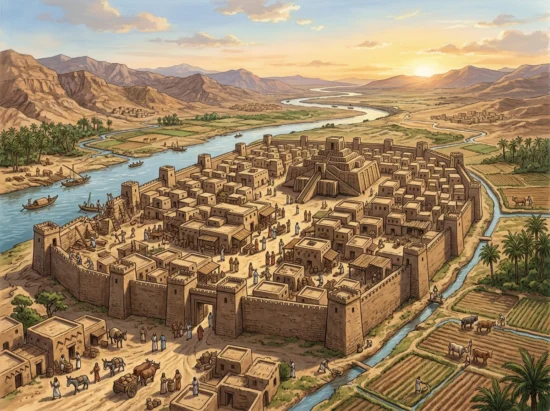
The Rise and Fall of the Roman Empire
A Brief Introduction
The Roman Empire is one of the most fascinating and influential civilizations in human history. Spanning over 12 centuries, its rise and fall is a testament to the power of politics, culture, and human ambition. From its humble beginnings as a small city-state to its eventual decline and fragmentation, the Roman Empire’s story is a rich tapestry of triumphs, tragedies, and transformative events that continue to captivate historians, scholars, and the general public alike.
Origins and Expansion (509 BCE – 27 BCE)
The Roman Empire was born from the ashes of the Roman Kingdom, which was itself a descendant of the legendary Italian city-states. Founded in 509 BCE, the Roman Republic was initially a confederation of small towns and villages that gradually expanded its territories through a combination of military conquests, strategic alliances, and savvy diplomacy. By the 1st century BCE, Rome had become a major power in the Mediterranean, with a vast territory stretching from Spain to Egypt, and from Britain to Syria.
The expansion was fueled by a series of brilliant military leaders, including Julius Caesar, who played a pivotal role in transforming the Roman Republic into a vast, centralized empire. Caesar’s campaigns in Gaul (modern-day France) and Egypt secured Rome’s position as a dominant force in the ancient world, and his legendary conquests of Britain and Germany set the stage for Rome’s eventual domination of Western Europe.
The Pax Romana and the Golden Age (27 BCE – 180 CE)
Following Caesar’s assassination, his adopted son and heir, Octavian (later known as Augustus Caesar), established the Principate, Rome’s first imperial system of government. The Pax Romana, or Roman Peace, marked a period of relative stability and prosperity that lasted for nearly two centuries. Under the wise and effective leadership of the first five Roman emperors, known as the Five Good Emperors, Rome’s power and influence continued to grow, with a thriving economy, a sophisticated system of governance, and a rich cultural heritage.
The Roman Empire’s golden age saw the construction of iconic landmarks, such as the Pantheon and the Colosseum, as well as the development of a sophisticated system of roads, aqueducts, and public buildings that reflected the empire’s engineering prowess. The Pax Romana was also a time of significant cultural achievements, with notable contributions in literature, art, and philosophy, including the works of Cicero, Virgil, and Seneca.
The Crisis and Decline (180 CE – 476 CE)
The Roman Empire’s golden age came to an end with the crisis of the third century, a period of intense turmoil and upheaval that lasted from 180 to 284 CE. This was marked by a series of devastating wars, civil conflicts, and economic crises that weakened the empire’s foundations. The empire’s military strength was severely tested by the constant pressure of external threats, including the Huns, Goths, and Vandals, who ravaged the empire’s borders and eventually breached its defenses.
The crisis of the third century also saw the rise of a series of incompetent and tyrannical emperors, who further exacerbated the empire’s decline. The empire’s economy suffered from inflation, corruption, and a lack of effective governance, while its culture and institutions began to decay. The once-great empire was eventually divided into Eastern and Western halves, with the latter succumbing to the barbarian invasions and ultimately collapsing in 476 CE.
The Legacy of the Roman Empire
The rise and fall of the Roman Empire has left an indelible mark on human history. Its legacy can be seen in the modern languages, laws, architecture, and institutions that have been inherited from the ancient Romans. The empire’s vast territories and extensive trade networks helped spread ideas, cultures, and technologies that shaped the course of Western civilization.
From the concept of the republic to the principles of governance, the Roman Empire’s influence can be seen in the development of modern democracies. The empire’s engineering prowess, its sophisticated system of governance, and its rich cultural heritage continue to inspire and captivate historians, scholars, and the general public alike.
Conclusion
The rise and fall of the Roman Empire is a complex and multifaceted story that has captivated human imagination for centuries. From its humble beginnings as a small city-state to its eventual decline and fragmentation, the Roman Empire’s story is a testament to the power of politics, culture, and human ambition. As we reflect on the empire’s legacy, we are reminded of the enduring impact of its achievements on modern society and the importance of understanding the lessons of history in shaping our present and future.
FAQs
Q: What were the key factors that contributed to the Roman Empire’s decline?
A: The Roman Empire’s decline was the result of a combination of internal and external factors, including the crisis of the third century, the rise of incompetent and tyrannical emperors, economic crises, and constant pressure from external threats.
Q: How did the Roman Empire’s expansion impact the ancient world?
A: The Roman Empire’s expansion had a profound impact on the ancient world, spreading Roman culture, language, and institutions throughout its vast territories. The empire’s military campaigns and strategic alliances helped shape the course of Western civilization and left a lasting legacy in modern society.
Q: What were the most significant contributions of the Roman Empire to modern society?
A: The Roman Empire’s contributions to modern society are numerous and far-reaching, including the development of modern languages, laws, architecture, and institutions. The empire’s legacy can be seen in the concept of the republic, the principles of governance, and the principles of engineering and urban planning.
Q: What can we learn from the rise and fall of the Roman Empire?
A: The rise and fall of the Roman Empire offers valuable lessons for modern society, including the importance of effective governance, the dangers of corruption and incompetence, and the need for sustainable economic and environmental practices. By studying the empire’s history, we can gain a deeper understanding of the complex interplay of factors that shape human history and the importance of learning from the past to shape our future.
Q: How did the Roman Empire’s culture and institutions evolve over time?
A: The Roman Empire’s culture and institutions underwent significant changes over time, reflecting the empire’s expansion, the rise of new leaders, and the influence of external factors. From the early Republic to the late Empire, Roman culture and institutions evolved in response to the empire’s changing circumstances, shaping the course of Western civilization and leaving a lasting legacy in modern society.