The Ancient City of Babylon Explained
Introduction to Babylon
Babylon, the ancient city of Mesopotamia, has long been a subject of fascination for historians, archaeologists, and enthusiasts alike. Its rich history spans over four millennia, with the city’s origins dating back to the 3rd millennium BCE. Located in present-day Iraq, Babylon was once the capital of the Neo-Babylonian Empire, which, under the rule of Nebuchadnezzar II, became one of the most powerful empires in the ancient world. This article aims to provide a comprehensive overview of Babylon’s history, its significance, and its enduring legacy.
The Rise of Babylon
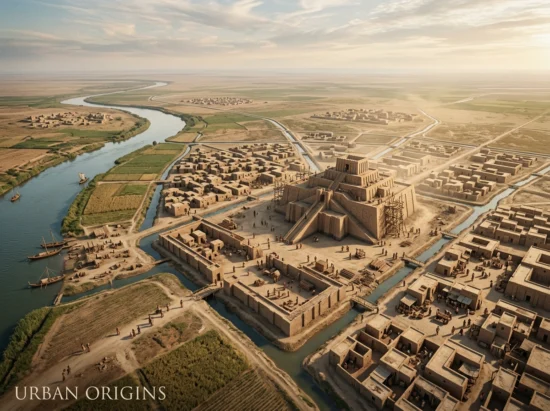
The city of Babylon was founded by the Amorites, a Semitic people, in the early 2nd millennium BCE. However, it was the Akkadian Empire, under the rule of Sargon the Great, that first brought Babylon to prominence. Sargon’s conquest of the city in 2334 BCE marked the beginning of a long and storied history for Babylon. The city’s strategic location, situated at the confluence of the Euphrates and Tigris rivers, made it an ideal hub for trade and commerce. The Babylonians were skilled merchants, and their control of the trade routes between Mesopotamia and the Near East helped to establish the city as a major economic center.
The Neo-Babylonian Empire
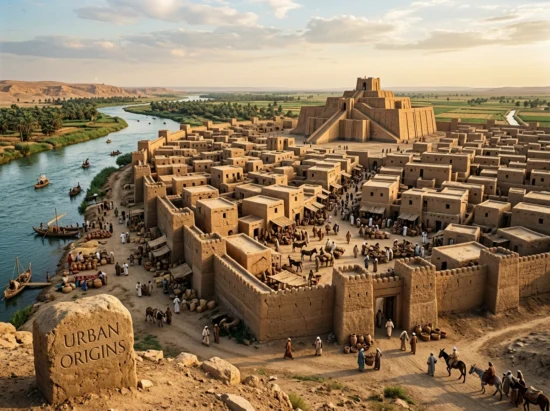
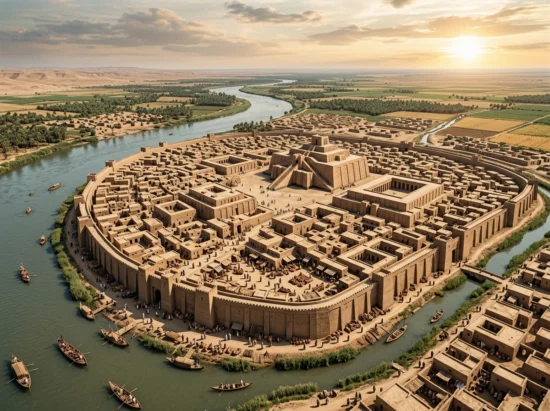
The Neo-Babylonian Empire, which rose to power in the 7th century BCE, is perhaps the most famous period in Babylon’s history. Under the rule of Nebuchadnezzar II, the empire expanded its borders, conquering much of the ancient Near East. The city of Babylon was rebuilt and expanded, with Nebuchadnezzar constructing the famous Ishtar Gate, which was adorned with images of the goddess Ishtar. The empire’s capital city was a marvel of its time, with grand temples, palaces, and marketplaces. The Babylonians were known for their advanced knowledge of astronomy, mathematics, and engineering, which they applied to their architecture and urban planning.
The Hanging Gardens of Babylon
One of the most enduring legends about Babylon is the existence of the Hanging Gardens, a breathtakingly beautiful garden said to have been built by Nebuchadnezzar II for his wife, Amytis. According to legend, Amytis missed the green hills and valleys of her homeland, and Nebuchadnezzar, determined to bring joy to his wife, commissioned the construction of a magnificent garden. The Hanging Gardens were said to have been built using a sophisticated system of arches and aqueducts, which allowed the Babylonians to create a lush oasis in the middle of the desert. While the existence of the Hanging Gardens is still debated among historians, their legend has captured the imagination of people for centuries.
The Babylonian Code of Laws
The Babylonians were known for their advanced knowledge of law and governance. The Babylonian Code of Laws, which dates back to the 18th century BCE, is one of the oldest known collections of laws in the world. The code, which was inscribed on clay tablets, outlined the rules and regulations of the Babylonian society, including laws related to marriage, property, and trade. The code also reflected the Babylonians’ deep understanding of the importance of justice and fairness in their society. The Babylonian Code of Laws has had a lasting impact on the development of law and governance in the ancient world.
The Fall of Babylon
The fall of Babylon was a gradual process that began with the rise of the Persian Empire under Cyrus the Great. In 539 BCE, Cyrus conquered the city, marking the end of the Neo-Babylonian Empire. The Babylonians were known for their fierce resistance to foreign conquest, but the city was eventually taken by the Persians. The Babylonians were forced to adapt to their new rulers, and the city’s significance gradually declined. However, the legacy of Babylon continued to inspire and influence the development of Western civilization.
The Legacy of Babylon
The ancient city of Babylon has left an indelible mark on human history. Its legacy can be seen in the development of law, governance, architecture, and engineering. The city’s significance extends beyond its own history, as it has inspired countless artists, writers, and thinkers throughout the ages. From the epic poem of the Epic of Gilgamesh to the famous stories of the Hanging Gardens, Babylon has captivated the imagination of people for centuries. Today, the city’s ruins stand as a testament to the ingenuity and creativity of the Babylonians, and their legacy continues to inspire and educate us.
Conclusion
The ancient city of Babylon is a testament to the ingenuity, creativity, and resilience of the human spirit. Its history spans over four millennia, with the city rising to prominence as a major economic center, a hub of trade and commerce, and a center of culture and learning. The Babylonians’ advanced knowledge of law, governance, architecture, and engineering has had a lasting impact on the development of Western civilization. As we continue to explore and learn from the ruins of Babylon, we are reminded of the importance of preserving our cultural heritage and honoring the achievements of our ancestors.
FAQs about Babylon
Q: When was the city of Babylon founded?
A: The city of Babylon was founded by the Amorites in the early 2nd millennium BCE. However, it was the Akkadian Empire, under the rule of Sargon the Great, that first brought Babylon to prominence.
Q: Who was Nebuchadnezzar II, and what was his significance?
A: Nebuchadnezzar II was the king of the Neo-Babylonian Empire, which rose to power in the 7th century BCE. He was a skilled ruler and a brilliant military strategist, who expanded the empire’s borders and built the famous Ishtar Gate.
Q: What is the significance of the Babylonian Code of Laws?
A: The Babylonian Code of Laws, which dates back to the 18th century BCE, is one of the oldest known collections of laws in the world. The code outlined the rules and regulations of the Babylonian society, including laws related to marriage, property, and trade.
Q: Is the Hanging Gardens of Babylon a real place, or a myth?
A: While the existence of the Hanging Gardens is still debated among historians, their legend has captured the imagination of people for centuries. The Babylonians were known for their advanced knowledge of architecture and engineering, and it is possible that they may have built a magnificent garden, but the details of its existence remain a mystery.