The Hanging Gardens of Babylon Mystery
The Hanging Gardens of Babylon, one of the Seven Wonders of the Ancient World, has long been a subject of fascination and debate among historians and archaeologists. This magnificent feat of engineering and architecture is said to have been built in the ancient city of Babylon, in present-day Iraq, during the reign of the Neo-Babylonian King Nebuchadnezzar II in the 6th century BC. However, despite its reputation as a marvel of ancient civilization, the Hanging Gardens of Babylon remains an enigma, with many questions still unanswered about its existence, purpose, and fate.
Historical Accounts and Legends
The Hanging Gardens of Babylon are first mentioned in the works of the ancient Greek historian Berossus, who wrote about the gardens in the 3rd century BC. Berossus described the gardens as a series of lush, verdant parks and gardens that were suspended in the air by a complex system of arches and aqueducts. According to Berossus, the gardens were built by Nebuchadnezzar II for his wife, Amytis, who missed the green hills and valleys of her homeland.
Another ancient source that mentions the Hanging Gardens of Babylon is the Greek historian Diodorus Siculus. In his book “Bibliotheca Historica”, Diodorus describes the gardens as a magnificent feat of engineering, with a complex system of irrigation that allowed for the cultivation of exotic plants and trees. Diodorus also notes that the gardens were built by Nebuchadnezzar II as a gift to his wife, who was said to have been homesick for the green hills and valleys of her homeland.
Despite the accounts of these ancient historians, many questions remain about the Hanging Gardens of Babylon. Was the garden truly a marvel of ancient engineering, or was it simply a mythical construct of the ancient imagination? And what exactly was its purpose – was it a symbol of royal power, a testament to the ingenuity of the ancient Babylonians, or simply a beautiful and exotic garden?
Archaeological Evidence and Debates
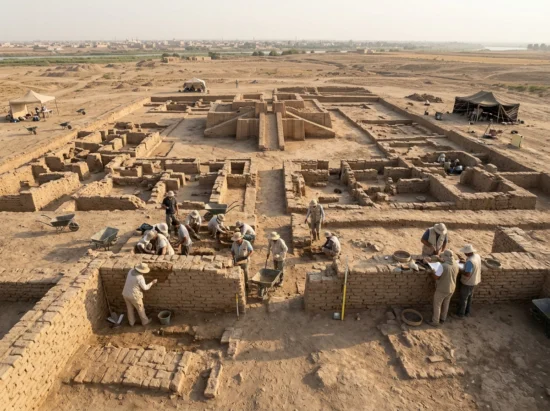
Despite numerous excavations and archaeological surveys, no conclusive evidence of the Hanging Gardens of Babylon has been found. The ancient city of Babylon was heavily destroyed by earthquakes and floods over the centuries, and many of its ancient structures have been lost to the sands of time. However, many archaeologists and historians continue to search for evidence of the gardens, and some have even suggested that the Hanging Gardens of Babylon may have been located in the ancient city of Nineveh, rather than Babylon.
One of the most famous excavations in the search for the Hanging Gardens of Babylon was conducted by the British archaeologist Austen Henry Layard in the 19th century. Layard excavated the ancient city of Nineveh, where he discovered numerous artifacts and inscriptions that seemed to suggest the presence of a magnificent garden. However, Layard’s excavations were later disputed by other archaeologists, who argued that the evidence was inconclusive and that the garden may have been a mythical construct of the ancient imagination.
Theories and Speculations
Despite the lack of conclusive evidence, many theories and speculations have been proposed about the Hanging Gardens of Babylon. Some have suggested that the garden was a symbol of royal power, a testament to the ingenuity of the ancient Babylonians, or a beautiful and exotic garden that was built for the pleasure of the royal family. Others have proposed that the garden was a major engineering feat, with a complex system of arches and aqueducts that allowed for the cultivation of exotic plants and trees.
One of the most popular theories about the Hanging Gardens of Babylon is that it was a “hanging” garden, literally suspended in the air by a complex system of arches and aqueducts. This theory suggests that the garden was built on a series of terraces, with each terrace supported by a series of arches and columns. However, this theory has been disputed by many archaeologists and historians, who argue that the evidence is inconclusive and that the garden may have been a mythical construct of the ancient imagination.
Legacy and Impact
Despite the mystery and debate surrounding the Hanging Gardens of Babylon, its legacy and impact on Western culture are undeniable. The Hanging Gardens of Babylon has been a source of inspiration for countless artists, writers, and architects throughout history. From the works of the ancient Greek historian Berossus to the modern-day novels of authors like Neil Gaiman and Tad Williams, the Hanging Gardens of Babylon has been a source of fascination and inspiration for countless people.
In addition, the Hanging Gardens of Babylon has had a profound impact on the development of engineering and architecture. The ancient Babylonians were renowned for their ingenuity and skill in engineering, and the Hanging Gardens of Babylon is a testament to their expertise. The garden’s complex system of arches and aqueducts has been studied and emulated by engineers and architects throughout history, and its legacy can be seen in countless modern structures and buildings.
Conclusion
The Hanging Gardens of Babylon remains one of the most enigmatic and fascinating mysteries of the ancient world. Despite the accounts of ancient historians and the theories of modern-day archaeologists, the truth about the garden’s existence, purpose, and fate remains a mystery. However, its legacy and impact on Western culture are undeniable, and its influence can be seen in countless works of art, literature, and architecture throughout history.
FAQ
Q: What was the purpose of the Hanging Gardens of Babylon?
A: Despite numerous theories and speculations, the purpose of the Hanging Gardens of Babylon remains a mystery. However, it is believed that the garden was built by Nebuchadnezzar II for his wife, Amytis, who missed the green hills and valleys of her homeland.
Q: Where was the Hanging Gardens of Babylon located?
A: According to ancient accounts, the Hanging Gardens of Babylon was located in the ancient city of Babylon, in present-day Iraq. However, some archaeologists have suggested that the garden may have been located in the ancient city of Nineveh, rather than Babylon.
Q: What was the engineering feat of the Hanging Gardens of Babylon?
A: According to ancient accounts, the Hanging Gardens of Babylon was a complex system of arches and aqueducts that allowed for the cultivation of exotic plants and trees. However, the exact engineering feat of the garden remains a mystery, and many theories and speculations have been proposed about its construction and operation.
Q: Why is the Hanging Gardens of Babylon considered one of the Seven Wonders of the Ancient World?
A: The Hanging Gardens of Babylon is considered one of the Seven Wonders of the Ancient World because of its reputation as a magnificent feat of engineering and architecture. Its complex system of arches and aqueducts was a testament to the ingenuity and skill of the ancient Babylonians, and its legacy has endured for centuries.