Famous Ancient Libraries Lost to History
The Riches of the Past: A Glimpse into Ancient Libraries
In an era where digital libraries and online archives are the norm, it’s easy to overlook the rich history of ancient libraries that once held the key to human knowledge. From the towering shelves of Alexandria’s Great Library to the mysterious manuscripts of the Library of Ashurbanipal, these institutions were the cradles of civilization, where scholars and scribes spent their lives deciphering the secrets of the past. Unfortunately, many of these ancient libraries have been lost to the sands of time, leaving behind only whispers of their former glory.
The Great Library of Alexandria
Founded in the 3rd century BC, the Great Library of Alexandria was one of the largest and most significant libraries of the ancient world. Its vast collection of manuscripts, estimated to be over 700,000, was a treasure trove of knowledge that attracted scholars and scribes from across the Mediterranean. The library’s most prized possessions included works by the great Greek philosophers, the writings of Homer, and the records of the Egyptian pharaohs. The Great Library’s destruction, allegedly at the hands of the Roman Emperor Aurelian, is still shrouded in mystery, leaving behind a void that has yet to be filled.
The Library of Ashurbanipal
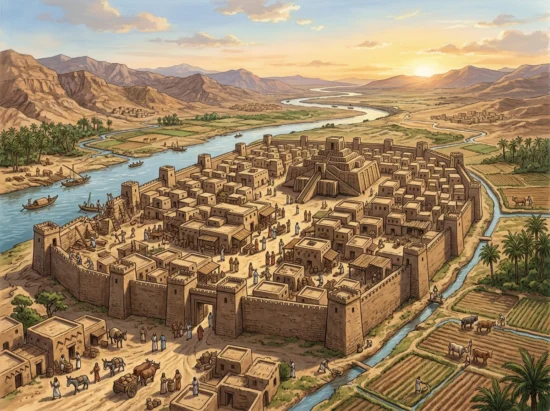
Located in the ancient city of Nineveh, the Library of Ashurbanipal was a repository of Assyrian knowledge and wisdom. Its collection of clay tablets, which included the Epic of Gilgamesh and the stories of the gods, was a testament to the ingenuity and literary prowess of the Assyrian people. Unfortunately, the library’s fate was sealed when the city of Nineveh was conquered by the Babylonians in 612 BC. The destruction of the library marked the end of an era, and its loss has left a gaping hole in our understanding of ancient Mesopotamian culture.
The Library of Pergamon
Located in the city of Pergamon, this library was a hub of intellectual activity, attracting scholars and scribes from across the ancient world. Its collection of manuscripts, which included works by the great Greek philosophers and the writings of Homer, was a testament to the city’s rich cultural heritage. Unfortunately, the library’s fate was sealed when the city of Pergamon was conquered by the Romans in 133 BC. The destruction of the library marked the end of an era, and its loss has left a void in our understanding of ancient Greek culture.
The Library of Ephesus
Located in the ancient city of Ephesus, this library was a major center of learning and intellectual activity. Its collection of manuscripts, which included works by the great Greek philosophers and the writings of Homer, was a testament to the city’s rich cultural heritage. Unfortunately, the library’s fate was sealed when the city of Ephesus was conquered by the Romans in 133 BC. The destruction of the library marked the end of an era, and its loss has left a void in our understanding of ancient Greek culture.
The Library of Constantinople
Located in the city of Constantinople, this library was a major center of learning and intellectual activity. Its collection of manuscripts, which included works by the great Greek philosophers and the writings of Homer, was a testament to the city’s rich cultural heritage. Unfortunately, the library’s fate was sealed when the city of Constantinople was conquered by the Ottoman Empire in 1453 AD. The destruction of the library marked the end of an era, and its loss has left a void in our understanding of ancient Greek culture.
The Legacy of Lost Libraries
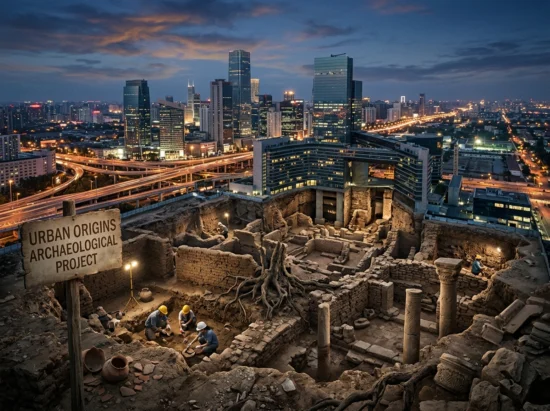
The loss of these ancient libraries is a sobering reminder of the impermanence of human knowledge and culture. While we can never fully recover the treasures that were lost, we can learn from the past and strive to create a brighter future for the preservation of human knowledge. The legacy of these lost libraries serves as a reminder of the importance of safeguarding our cultural heritage and the need for continued efforts in the preservation of our collective past.
Conclusion
The story of the lost ancient libraries is a poignant reminder of the transience of human knowledge and culture. While we can never fully recover the treasures that were lost, we can learn from the past and strive to create a brighter future for the preservation of human knowledge. As we look to the future, let us remember the lessons of the past and work towards a world where knowledge is cherished and preserved for generations to come.
Frequently Asked Questions
Q: What was the significance of the Great Library of Alexandria?
The Great Library of Alexandria was one of the largest and most significant libraries of the ancient world. Its vast collection of manuscripts, estimated to be over 700,000, was a treasure trove of knowledge that attracted scholars and scribes from across the Mediterranean. The library’s most prized possessions included works by the great Greek philosophers, the writings of Homer, and the records of the Egyptian pharaohs.
Q: What was the fate of the Library of Ashurbanipal?
The Library of Ashurbanipal was a repository of Assyrian knowledge and wisdom. Its collection of clay tablets, which included the Epic of Gilgamesh and the stories of the gods, was a testament to the ingenuity and literary prowess of the Assyrian people. Unfortunately, the library’s fate was sealed when the city of Nineveh was conquered by the Babylonians in 612 BC.
Q: What was the role of the Library of Pergamon?
The Library of Pergamon was a hub of intellectual activity, attracting scholars and scribes from across the ancient world. Its collection of manuscripts, which included works by the great Greek philosophers and the writings of Homer, was a testament to the city’s rich cultural heritage. Unfortunately, the library’s fate was sealed when the city of Pergamon was conquered by the Romans in 133 BC.
Q: What can we learn from the loss of these ancient libraries?
The loss of these ancient libraries is a sobering reminder of the impermanence of human knowledge and culture. While we can never fully recover the treasures that were lost, we can learn from the past and strive to create a brighter future for the preservation of human knowledge. The legacy of these lost libraries serves as a reminder of the importance of safeguarding our cultural heritage and the need for continued efforts in the preservation of our collective past.