The Evolution of Ancient Writing Systems
The Dawn of Writing: From Cuneiform to Hieroglyphs
The evolution of ancient writing systems is a fascinating journey that spans thousands of years, taking us from the earliest attempts at communication to the sophisticated systems we see today. The earliest writing systems emerged in the ancient civilizations of Mesopotamia, Egypt, and the Indus Valley, with the Sumerians, Egyptians, and Harappans developing writing systems that would change the course of human history.
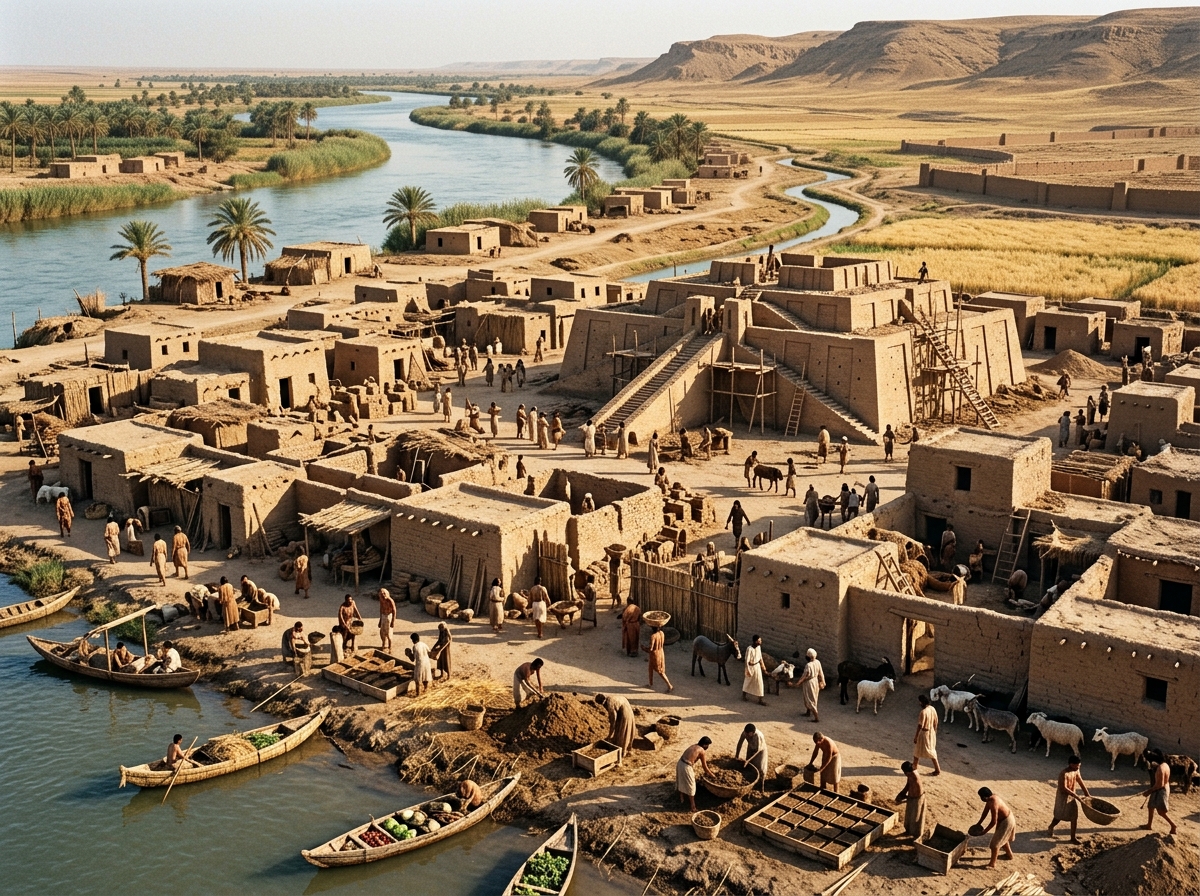
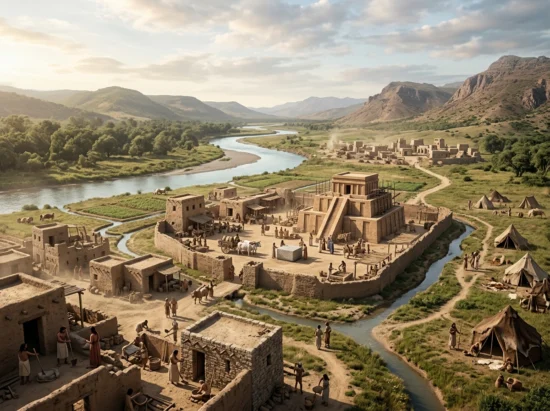
The first writing system to emerge was cuneiform, developed by the Sumerians in Mesopotamia around 3200 BCE. This system used wedge-shaped characters inscribed on clay tablets to record laws, business transactions, and myths. The Sumerians’ writing system was a significant innovation, allowing for the recording of complex ideas and the development of a written language.
The Spread of Writing: From Mesopotamia to Egypt
As civilizations rose and fell, the writing system spread throughout the ancient world. In Egypt, around 3000 BCE, the hieroglyphic writing system emerged. Hieroglyphs used pictograms and phonograms to represent words and sounds, creating a complex and expressive system. The Egyptians’ writing system was used for monumental inscriptions, tomb paintings, and written records.
Writing in the Ancient World: From Cuneiform to Hieroglyphs
The ancient writing systems were not only used for communication but also for the recording of myths, legends, and historical events. In Mesopotamia, the Epic of Gilgamesh was written on clay tablets, while in Egypt, the Story of Osiris was inscribed on temple walls. These early written records give us a glimpse into the lives and cultures of ancient civilizations.
The Writing Systems of the Indus Valley
In the Indus Valley, the Harappans developed a writing system that remains undeciphered to this day. The Harappan writing system used symbols and geometric shapes to convey meaning, but its exact meaning and purpose remain a mystery. Despite the enigma surrounding the Harappan writing system, it is clear that the civilization was highly advanced and sophisticated, with a writing system that played a significant role in their daily lives.
The Writing Systems of Ancient Greece and Rome
As the ancient world gave way to the classical civilizations of Greece and Rome, new writing systems emerged. The Greeks developed the alphabet, which consisted of 24 letters and was used for both practical and literary purposes. The Romans adapted the Greek alphabet, adding the letters J, U, and W to create the Latin alphabet, which remains the basis for many modern languages.
The Legacy of Ancient Writing Systems
The evolution of ancient writing systems has had a profound impact on human history. From the earliest cuneiform tablets to the modern alphabets, writing has enabled the recording of knowledge, the transmission of ideas, and the development of complex societies. The legacy of ancient writing systems can be seen in the modern languages, scripts, and symbols we use today.
Conclusion
The evolution of ancient writing systems is a testament to human ingenuity and creativity. From the earliest attempts at communication to the sophisticated systems we see today, writing has played a central role in human history. The study of ancient writing systems provides us with a glimpse into the lives and cultures of past civilizations, and the impact of these systems on the world we live in today is undeniable.
FAQ
Q: What was the first writing system to emerge?
Cuneiform, developed by the Sumerians in Mesopotamia around 3200 BCE, was the first writing system to emerge.
Q: How did the writing system spread throughout the ancient world?
The writing system spread throughout the ancient world as civilizations rose and fell. In Egypt, the hieroglyphic writing system emerged, while in the Indus Valley, the Harappans developed a writing system that remains undeciphered to this day.
Q: What is the significance of the Epic of Gilgamesh?
The Epic of Gilgamesh, written on clay tablets in Mesopotamia, is one of the earliest surviving works of literature. It provides us with a glimpse into the lives and cultures of ancient civilizations and showcases the importance of writing in the ancient world.
Q: How did the writing systems of ancient Greece and Rome influence modern languages?
The writing systems of ancient Greece and Rome have had a lasting impact on modern languages. The Greek alphabet, adapted by the Romans, formed the basis for many modern languages, including English, Spanish, French, and Italian.