Unveiling the Cradle of Civilization: Ancient Mesopotamia Facts and History
The Birthplace of Civilization
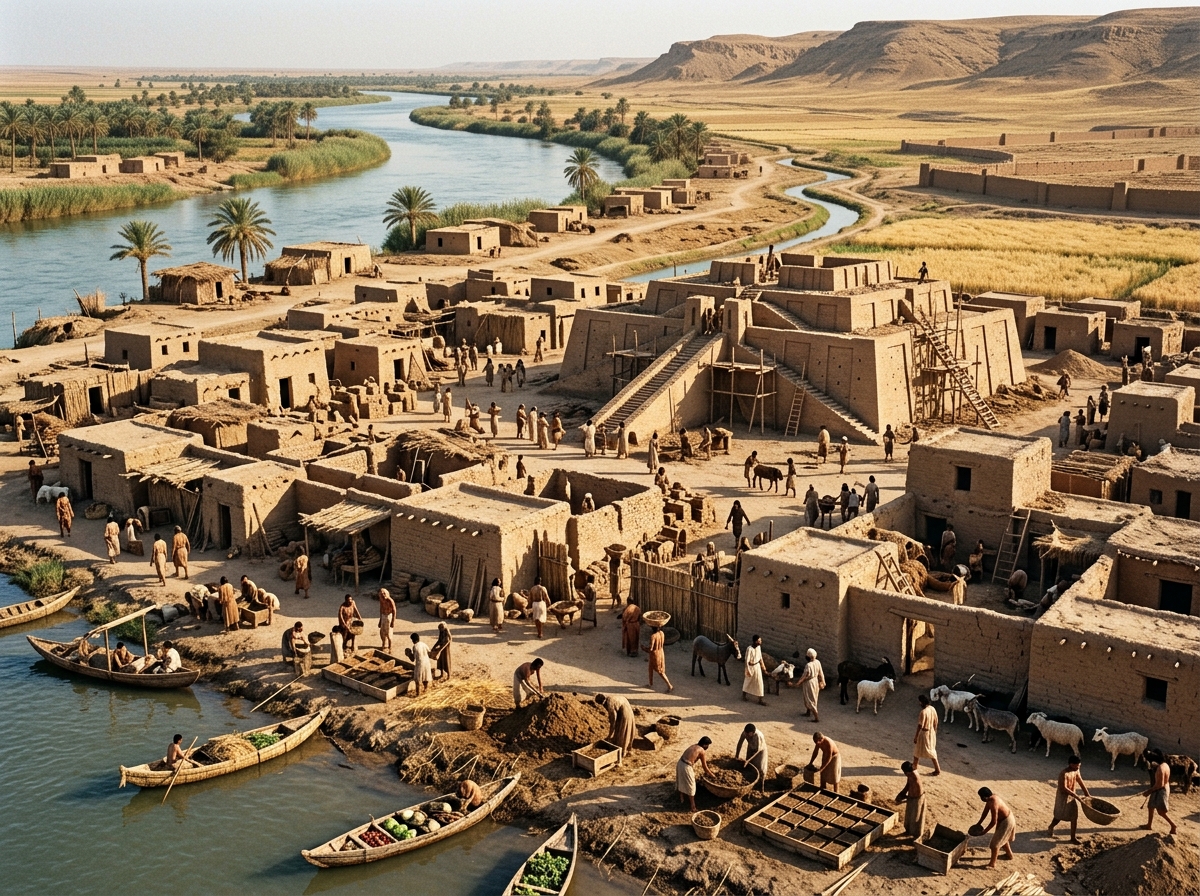
Located between the Tigris and Euphrates rivers in modern-day Iraq, Ancient Mesopotamia is often referred to as the cradle of civilization. This region is where the first cities, governments, and written languages emerged, setting the stage for the development of complex societies and cultures that would shape the course of human history.
Geography and Climate
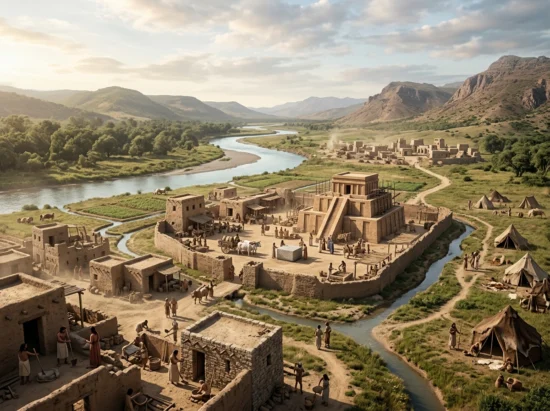
Mesopotamia’s fertile plains and valleys, surrounded by vast deserts and mountains, created an ideal environment for early agriculture and settlement. The region’s unique geography allowed for the development of sophisticated irrigation systems, which enabled the growth of cities and the rise of complex societies.
The climate in Mesopotamia varied greatly depending on the season, with hot summers and cool winters. This led to the development of advanced agricultural techniques, such as crop rotation and the use of canals, which allowed for the cultivation of crops in areas that would otherwise be unsuitable for farming.
The Sumerians: The First Civilization
The Sumerians, who lived in Mesopotamia from approximately 4500 to 1900 BCE, are considered the first civilization. They developed a sophisticated system of government, with city-states and a complex network of canals and irrigation systems. The Sumerians also made significant contributions to the development of writing, creating cuneiform, one of the earliest known forms of writing.
The Sumerians were also skilled in the arts and sciences, with notable achievements in mathematics, architecture, and law. Their legacy can still be seen in the modern-day cities and cultures of Mesopotamia, which were influenced by their innovative ideas and technological advancements.
The Akkadians: A Golden Age of Mesopotamia
The Akkadians, who ruled Mesopotamia from approximately 2334 to 2154 BCE, are considered a golden age in Mesopotamian history. During their reign, the Akkadians developed a powerful and centralized government, which expanded their empire through military conquests and diplomatic alliances. They also made significant contributions to the development of literature, with the epic poem “The Epic of Gilgamesh” being one of their most notable achievements.
The Akkadians were also skilled in the arts, with notable achievements in music, poetry, and architecture. Their legacy can still be seen in the modern-day cities and cultures of Mesopotamia, which were influenced by their innovative ideas and technological advancements.
The Babylonians: A New Era of Mesopotamia
The Babylonians, who ruled Mesopotamia from approximately 1800 to 539 BCE, are considered one of the most significant civilizations in Mesopotamian history. During their reign, the Babylonians developed a sophisticated system of government, with a powerful centralized authority and a complex network of laws and regulations. They also made significant contributions to the development of literature, with the creation of the Epic of Gilgamesh and other notable works.
The Babylonians were also skilled in the arts, with notable achievements in architecture, sculpture, and painting. Their legacy can still be seen in the modern-day cities and cultures of Mesopotamia, which were influenced by their innovative ideas and technological advancements.
Legacy of Ancient Mesopotamia
The legacy of Ancient Mesopotamia can still be seen in the modern-day cities and cultures of the region. The innovative ideas and technological advancements of the Sumerians, Akkadians, and Babylonians have had a lasting impact on human history, shaping the course of civilization and culture in profound ways.
Timeline of Ancient Mesopotamia
- 4500 BCE: The Sumerians establish the first cities in Mesopotamia.
- 2334 BCE: The Akkadians conquer Mesopotamia and establish a powerful centralized government.
- 1800 BCE: The Babylonians establish a sophisticated system of government in Mesopotamia.
- 539 BCE: The Babylonians are conquered by the Persians, marking the end of the Babylonian Empire.
FAQs
What was the significance of the Sumerians in Ancient Mesopotamia?
The Sumerians were the first civilization in Mesopotamia, developing a sophisticated system of government, creating cuneiform, and making significant contributions to the development of writing, mathematics, architecture, and law.
What was the role of the Akkadians in Ancient Mesopotamia?
The Akkadians developed a powerful and centralized government, expanding their empire through military conquests and diplomatic alliances. They also made significant contributions to the development of literature, with the epic poem “The Epic of Gilgamesh” being one of their most notable achievements.
What were the major contributions of the Babylonians in Ancient Mesopotamia?
The Babylonians developed a sophisticated system of government, with a powerful centralized authority and a complex network of laws and regulations. They also made significant contributions to the development of literature, with the creation of the Epic of Gilgamesh and other notable works.
How did the geography and climate of Mesopotamia influence the development of civilization in the region?
The fertile plains and valleys of Mesopotamia, surrounded by vast deserts and mountains, created an ideal environment for early agriculture and settlement. The region’s unique geography allowed for the development of sophisticated irrigation systems, which enabled the growth of cities and the rise of complex societies.
Conclusion
Ancient Mesopotamia was a region of great innovation and achievement, where the first cities, governments, and written languages emerged. The Sumerians, Akkadians, and Babylonians all made significant contributions to the development of civilization and culture in the region, shaping the course of human history in profound ways. Their legacy can still be seen in the modern-day cities and cultures of Mesopotamia, which were influenced by their innovative ideas and technological advancements.