Lost Civilizations That Vanished Without a Trace
The Mysterious Disappearance of the Indus Valley Civilization
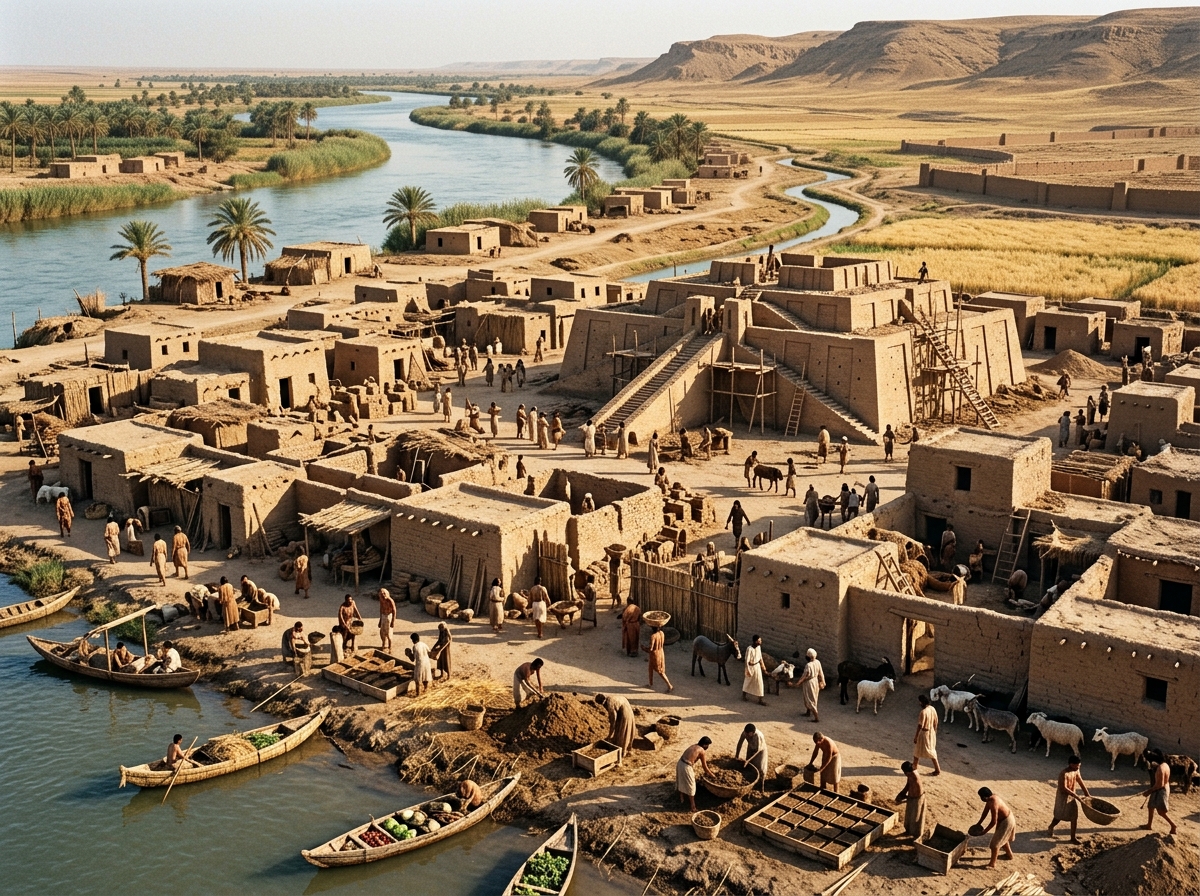
The Indus Valley Civilization, also known as the Harappan civilization, is one of the most fascinating and enigmatic civilizations to have ever existed. Flourishing around 4300-1300 BCE in the Indus Valley region of present-day Pakistan and northwestern India, this civilization is renowned for its sophisticated urban planning, architecture, and water management systems. The cities of Mohenjo-Daro and Harappa, which were the epicenter of this civilization, boasted advanced sewage systems, public baths, and granaries, indicating a high level of social organization and technological advancement.
However, the abrupt decline and disappearance of this civilization is still a mystery that has puzzled archaeologists and historians for centuries. The reasons behind its collapse are still unknown, and various theories have been proposed, including environmental degradation, climate change, and wars with neighboring tribes. The collapse of this civilization is often cited as an example of the unpredictability of human history and the fragility of even the most advanced civilizations.
The Forgotten City of Thonis-Heraklion
Located in the Mediterranean Sea, off the coast of Egypt, lies the submerged city of Thonis-Heraklion. This ancient city was an important hub for trade and commerce in the 13th century BCE, and its impressive architecture and sophisticated engineering feats are still a source of wonder for historians and archaeologists today.
Thonis-Heraklion was discovered in the 1990s, and excavations have revealed the remains of a magnificent temple, a port, and a series of temples dedicated to the god Amun. The city’s impressive infrastructure and advanced engineering feats, such as the construction of a massive temple and a sophisticated port system, suggest a high level of sophistication and organization.
However, the city’s sudden disappearance into the Mediterranean Sea is still a mystery. Theories have been proposed, including a massive earthquake, tsunami, or flood that may have caused the city’s destruction. The city’s disappearance has sparked debate and speculation, with some historians suggesting that it may have been a victim of climate change or a natural disaster.
The Mysterious Case of the Easter Island Civilization
The Easter Island civilization, also known as the Rapa Nui, is a fascinating example of a lost civilization. Located on a remote island in the Pacific Ocean, this civilization is renowned for its impressive stone statues, known as moai, which are believed to have been built between 1200 and 1500 CE.
The Easter Island civilization is shrouded in mystery, and the reasons behind its collapse are still unknown. Theories have been proposed, including deforestation, overfishing, and wars with neighboring tribes. The Easter Island civilization is often cited as an example of the devastating consequences of environmental degradation and the importance of sustainable resource management.
The Forgotten City of Petra
Located in present-day Jordan, the ancient city of Petra is a testament to the ingenuity and creativity of the Nabataeans, a ancient civilization that flourished in the 6th century BCE. This magnificent city, carved into the sandstone cliffs, was an important hub for trade and commerce in the ancient world.
The Nabataeans were renowned for their advanced water management systems, which allowed them to build elaborate temples and monuments in the midst of the desert. The city’s impressive infrastructure, including its famous Al-Khazneh, or Treasury, suggests a high level of sophistication and organization.
However, the city’s sudden decline and disappearance is still a mystery. Theories have been proposed, including the Roman Empire’s conquest of the region, earthquakes, and floods. The city’s disappearance has sparked debate and speculation, with some historians suggesting that it may have been a victim of climate change or a natural disaster.
Conclusion
These lost civilizations serve as a poignant reminder of the fragility of human history and the unpredictability of human societies. The reasons behind their collapse are still a mystery, and various theories have been proposed, including environmental degradation, climate change, and wars with neighboring tribes.
Despite the passage of time, the legacy of these civilizations continues to captivate and inspire us today. Their impressive achievements in architecture, engineering, and art continue to awe and wonder us, and their disappearance serves as a reminder of the importance of preserving and protecting our cultural heritage for future generations.
FAQs
Q: What was the Indus Valley Civilization?
The Indus Valley Civilization, also known as the Harappan civilization, was a sophisticated urban civilization that flourished in the Indus Valley region of present-day Pakistan and northwestern India around 4300-1300 BCE. It is renowned for its advanced urban planning, architecture, and water management systems.
Q: What was the reason behind the disappearance of the Indus Valley Civilization?
The reasons behind the collapse of the Indus Valley Civilization are still a mystery. Various theories have been proposed, including environmental degradation, climate change, and wars with neighboring tribes. The collapse of this civilization is often cited as an example of the unpredictability of human history and the fragility of even the most advanced civilizations.
Q: What is the significance of the Easter Island Civilization?
The Easter Island Civilization, also known as the Rapa Nui, is a fascinating example of a lost civilization. Located on a remote island in the Pacific Ocean, this civilization is renowned for its impressive stone statues, known as moai, which are believed to have been built between 1200 and 1500 CE.
Q: What was the reason behind the collapse of the Easter Island Civilization?
The reasons behind the collapse of the Easter Island Civilization are still unknown. Theories have been proposed, including deforestation, overfishing, and wars with neighboring tribes. The Easter Island Civilization is often cited as an example of the devastating consequences of environmental degradation and the importance of sustainable resource management.
Q: What is the current state of the city of Petra?
The city of Petra is a UNESCO World Heritage Site and is currently being excavated and restored by archaeologists and historians. The site is open to visitors and is an important tourist destination in present-day Jordan.