The Seven Wonders of the Ancient World
A Timeless Marvel of Engineering and Architecture
The Seven Wonders of the Ancient World is a list of remarkable constructions from antiquity that were considered the most impressive achievements of their time. These structures were awe-inspiring, awe-inspiring to the ancient Greeks, Romans, and other civilizations, and continue to captivate our imagination today. In this article, we’ll delve into the history, significance, and enduring appeal of these architectural marvels.
History and Significance
The Seven Wonders of the Ancient World was first compiled by ancient Greek historians and philosophers, who sought to highlight the greatest achievements of human civilization. The list was not formalized until the 2nd century BCE, when the Greek historian Herodotus compiled a list of the most remarkable structures of the ancient world. The original list included the Great Pyramid of Giza, the Hanging Gardens of Babylon, the Statue of Zeus at Olympia, the Temple of Artemis at Ephesus, the Mausoleum at Halicarnassus, the Colossus of Rhodes, and the Lighthouse of Alexandria.
Why Were the Seven Wonders Chosen?
The selection of the Seven Wonders was based on a combination of factors, including their sheer scale, technical sophistication, and cultural significance. Many of these structures were built as temples, palaces, or tombs for the elite, while others served as symbols of imperial power or as landmarks for trade and commerce. The Seven Wonders represented the pinnacle of ancient engineering and architectural achievements, showcasing the ingenuity and creativity of the ancient civilizations that built them.
The Seven Wonders
The Great Pyramid of Giza
The Great Pyramid of Giza, located in modern-day Egypt, is the oldest and largest of the Seven Wonders. Built around 2580 BCE, it is an astonishing 481 feet (147 meters) tall and took an estimated 20 years to construct. The pyramid was originally 481 feet (147 meters) tall, but due to erosion and loss of its outer casing, it has shrunk to its current height of 455 feet (139 meters). The pyramid was built as a tomb for the Pharaoh Khufu and was originally covered in smooth white limestone.
The Hanging Gardens of Babylon
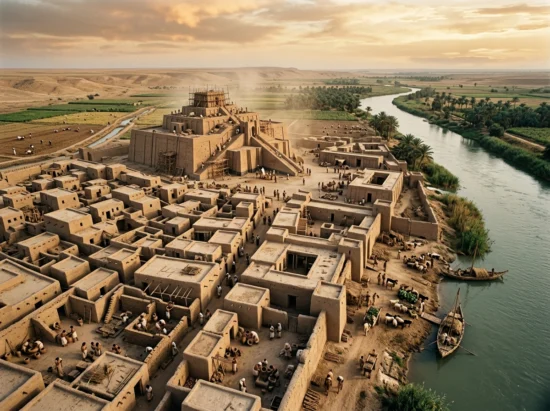
The Hanging Gardens of Babylon, built in present-day Iraq, were a marvel of ancient engineering. According to legend, the gardens were built by the Neo-Babylonian king Nebuchadnezzar II for his wife, Queen Amytis. The gardens were said to be a lush oasis in the middle of the desert, with trees and flowers that seemed to defy gravity by “hanging” from the ground. The gardens were destroyed by earthquakes, and their exact location is still a topic of debate among historians.
The Statue of Zeus at Olympia
The Statue of Zeus at Olympia, built in ancient Greece, was a massive gold and ivory statue of the king of the gods, Zeus. The statue was constructed by the famous sculptor Phidias and took 12 years to complete. It was destroyed in a fire during the 5th century CE. The statue was an astonishing 40 feet (12 meters) tall and depicted Zeus sitting on a throne, with his right hand holding a scepter and his left hand holding a statue of the goddess Nike.
The Temple of Artemis at Ephesus
The Temple of Artemis at Ephesus, built in ancient Greece, was a massive temple dedicated to the goddess Artemis. The temple was constructed in 550 BCE and was destroyed by the Goths in 262 CE. The temple was rebuilt several times, with the final version being a massive structure that was over 225 feet (69 meters) long and 176 feet (54 meters) wide.
The Mausoleum at Halicarnassus
The Mausoleum at Halicarnassus, built in ancient Greece, was a magnificent tomb built for King Mausolus. The mausoleum was constructed in 350 BCE and was destroyed by earthquakes in the 12th century CE. The mausoleum was a massive structure that was over 120 feet (37 meters) tall and was decorated with sculptures of mythological figures and the gods.
The Colossus of Rhodes
The Colossus of Rhodes, built in ancient Greece, was a massive bronze statue of the Greek god Helios. The statue was constructed in 292 BCE and was destroyed by an earthquake in 226 BCE. The statue was an astonishing 100 feet (30 meters) tall and was built by the famous sculptor Chares of Lindos.
The Lighthouse of Alexandria
The Lighthouse of Alexandria, built in ancient Egypt, was a massive tower built to serve as a beacon for ships. The lighthouse was constructed in 280 BCE and was destroyed by earthquakes in the 14th century CE. The lighthouse was an astonishing 400 feet (122 meters) tall and was built by the Greek architect Sostratus of Cnid.
Legacy and Impact
The Seven Wonders of the Ancient World have had a lasting impact on human civilization. They represent the pinnacle of ancient engineering and architectural achievements, showcasing the ingenuity and creativity of the ancient civilizations that built them. The Seven Wonders have inspired countless imitations, adaptations, and reinterpretations throughout history, and continue to captivate our imagination today.
Conclusion
The Seven Wonders of the Ancient World are a testament to the ingenuity and creativity of ancient civilizations. These structures were awe-inspiring to the ancient Greeks, Romans, and other civilizations, and continue to captivate our imagination today. As we explore the history and significance of these remarkable achievements, we are reminded of the enduring power of human creativity and ingenuity.
FAQs
Q: What was the purpose of the Seven Wonders?
A: The Seven Wonders were built for a variety of purposes, including temples, palaces, and tombs for the elite. Many of these structures served as symbols of imperial power or as landmarks for trade and commerce.
Q: How were the Seven Wonders built?
A: The Seven Wonders were built using a combination of techniques, including stone, brick, and wood. Many of these structures were built using advanced engineering and architectural techniques, such as the use of pulleys and levers to move massive stones into place.
Q: What happened to the Seven Wonders?
A: The Seven Wonders were destroyed by a combination of natural disasters, such as earthquakes, and human actions, such as wars and fires. Many of these structures were also destroyed by the passage of time, as they were built using materials that were prone to decay and erosion.
Q: Why are the Seven Wonders still important today?
A: The Seven Wonders are still important today because they represent the pinnacle of ancient engineering and architectural achievements. They showcase the ingenuity and creativity of ancient civilizations and continue to captivate our imagination today.