Ancient Religions of the World
Ancient religions have played a profound role in shaping the course of human history. From the mystifying rituals of ancient Mesopotamia to the philosophical explorations of ancient Greece, these early faiths have left an indelible mark on the world’s cultures, philosophies, and societies. In this article, we’ll embark on a journey through the ages to explore some of the most fascinating ancient religions of the world.
Origins of Ancient Religions
The roots of ancient religions date back to the dawn of civilization, where people first began to question the mysteries of the universe, the forces of nature, and the human condition. As societies developed, so did the need for explanations, for a deeper understanding of the world and its workings. This quest for meaning led to the emergence of various spiritual and philosophical systems, which would eventually become the foundation of ancient religions.
The Earliest Civilizations and Their Faiths
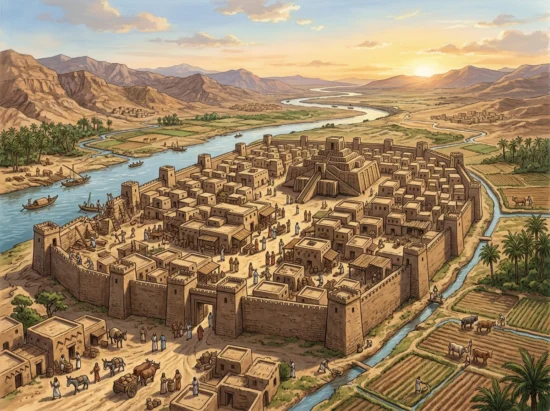
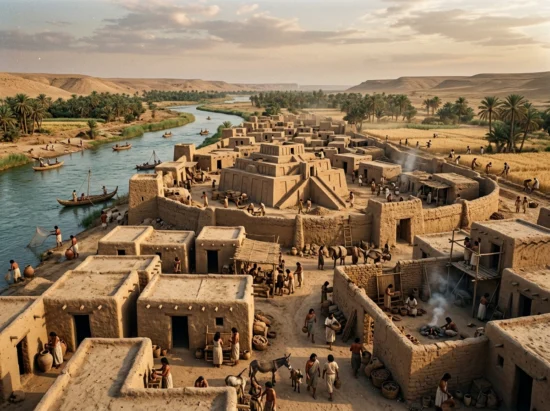
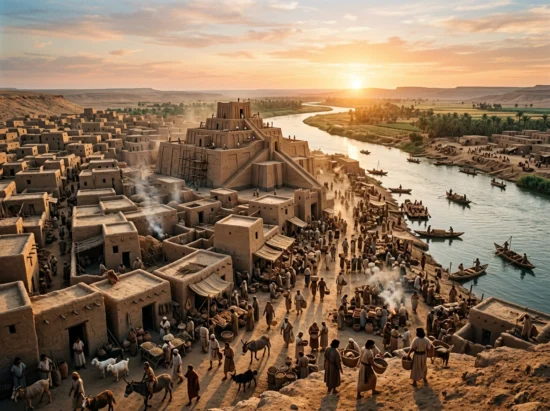
One of the earliest recorded civilizations was the Sumerians, who lived in Mesopotamia (modern-day Iraq) around 4500-1900 BCE. Their pantheon of gods and goddesses included Anu, Enlil, and Inanna, deities associated with the sky, air, and fertility, respectively. The Sumerians also worshipped the sacred city of Nippur, where the god Enlil was believed to reside.
In ancient Egypt, around 3100-30 BCE, a complex pantheon of gods and goddesses emerged, including Ra, Isis, and Osiris, associated with the sun, motherhood, and the afterlife, respectively. Egyptian mythology was characterized by a cyclical view of time, where the pharaohs were believed to be the earthly embodiment of the gods.
India and the Vedic Period
In ancient India, around 1500-500 BCE, the Vedic period gave rise to the development of Hinduism. This era saw the emergence of the Veda, a collection of sacred texts that would become the foundation of Hindu scriptures. The Vedas describe a pantheon of gods, including Indra, the god of thunder, and Agni, the fire god. The concept of atman, or the individual self, and the notion of karma, or the law of cause and effect, were also central to Vedic thought.
The Rise of Buddhism and Jainism
In ancient India, around 563-483 BCE, two influential spiritual movements emerged: Buddhism and Jainism. Buddhism, founded by Siddhartha Gautama, emphasized the Four Noble Truths and the Eightfold Path, which aimed to guide individuals towards the attainment of enlightenment. Jainism, founded by Mahavira, stressed the importance of non-violence and the accumulation of knowledge through self-realization.
Shamanism and Animism
Shamanism, an ancient spiritual practice, has its roots in the indigenous cultures of the world. Shamans were believed to possess the ability to communicate with the spirits of the dead, the animals, and the natural world. In many shamanic traditions, the shaman was seen as a mediator between the physical and spiritual realms. Animism, the belief in the spiritual essence of all things, was a fundamental aspect of shamanic thought.
Shamanic Traditions Around the World
Shamanic traditions can be found in various cultures, including the indigenous peoples of North America, the Inuit of the Arctic, and the Aboriginals of Australia. These traditions often share common characteristics, such as the use of rituals, ceremonies, and the concept of a spirit world. The shaman’s role in these cultures was often that of a healer, a mediator, and a spiritual guide.
Philosophical and Mythological Influences
Ancient religions were not only spiritual systems but also philosophical and mythological frameworks. Many of these early faiths were characterized by a cyclical view of time, where the gods and goddesses were believed to be the embodiment of natural forces and the human condition. The concept of time itself was often seen as a manifestation of the divine.
Mythology and the Human Condition
Mythology played a significant role in shaping the world’s cultures and philosophies. The stories of ancient gods and goddesses often provided explanations for natural phenomena, the creation of the world, and the human condition. These myths often explored themes such as the struggle between good and evil, the importance of sacrifice, and the cycle of life and death.
Legacy of Ancient Religions
The impact of ancient religions on modern society cannot be overstated. Many of these early faiths have evolved into the world’s major religions, influencing art, literature, philosophy, and politics. The legacy of ancient religions can be seen in the countless festivals, rituals, and ceremonies that continue to be celebrated around the world.
Conclusion
Ancient religions have left an indelible mark on the world’s cultures, philosophies, and societies. From the mystical rituals of ancient Mesopotamia to the philosophical explorations of ancient Greece, these early faiths have shaped the course of human history. As we continue to navigate the complexities of modern life, it is essential to remember the rich heritage of ancient religions and the lessons they offer us about the human condition.
FAQs
Q: What was the significance of the Vedic period in ancient Indian history?
The Vedic period was a time of great spiritual and philosophical transformation in ancient India. It saw the emergence of the Veda, a collection of sacred texts that would become the foundation of Hindu scriptures. The concept of atman, or the individual self, and the notion of karma, or the law of cause and effect, were central to Vedic thought.
Q: What is the difference between shamanism and animism?
Shamanism is a spiritual practice that involves communication with the spirits of the dead, the animals, and the natural world. Animism, on the other hand, is the belief in the spiritual essence of all things. While shamanism is a more specific practice, animism is a broader philosophical framework.
Q: How did ancient Egyptian mythology influence modern Western culture?
Ancient Egyptian mythology has had a profound impact on modern Western culture. The stories of Isis and Osiris, for example, have been retold and reinterpreted in countless works of literature and art. The concept of the afterlife, which was central to Egyptian mythology, has also influenced modern Western thought.
Q: What is the significance of the concept of karma in ancient Indian thought?
The concept of karma, or the law of cause and effect, was central to Vedic thought. It emphasized the idea that every action has consequences, and that individuals are responsible for their own actions. This concept has had a profound impact on modern Western thought, influencing ideas about personal responsibility and the consequences of one’s actions.