The Origins of Hindu Civilization: Unraveling the Mysteries of the Ancient Past
A Journey Through Time and Space
The Hindu civilization, one of the oldest and most complex cultures in the world, has been a subject of fascination for scholars, historians, and enthusiasts alike. With its roots tracing back to the Indus Valley Civilization (IVC), this ancient civilization has evolved over time, leaving behind a rich legacy of philosophical, spiritual, and cultural practices that continue to influence the world today. In this article, we will delve into the origins of Hindu civilization, exploring its history, key milestones, and the factors that contributed to its growth and development.
The Indus Valley Civilization: The Cradle of Hinduism
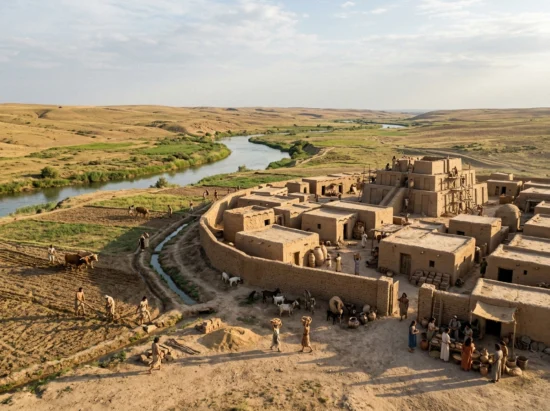
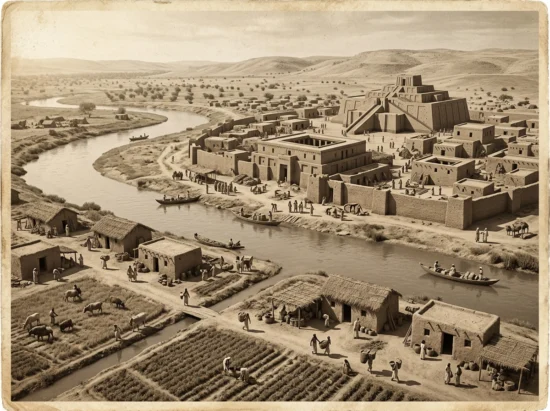
The Indus Valley Civilization, which flourished around 4300-1300 BCE, is widely regarded as the cradle of Hindu civilization. This sophisticated urban culture, characterized by its advanced irrigation systems, sophisticated architecture, and trade networks, laid the foundation for the subsequent rise of Hinduism. Excavations at the ancient cities of Mohenjo-Daro and Harappa, located in modern-day Pakistan, have revealed a well-planned and organized society, with a complex system of governance, trade, and social hierarchy.
The Rise of Vedic Culture
As the IVC declined, a new culture emerged in the region, which would eventually give rise to the Vedic period. The Vedas, a collection of ancient texts, are considered the cornerstone of Hindu philosophy and spirituality. The Vedic period, spanning from around 1500 BCE to 500 BCE, saw the rise of a complex and multifaceted society, with a strong emphasis on ritual, sacrifice, and the pursuit of knowledge. The Vedic people developed a sophisticated system of governance, with a strong emphasis on social hierarchy and the rule of the Brahmins (priests) and the Kshatriyas (warriors).
The Emergence of Hinduism
Hinduism, as we know it today, emerged from the Vedic period, with its characteristic blend of philosophical, spiritual, and cultural practices. The Upanishads, a collection of ancient texts, marked a significant turning point in the evolution of Hinduism, with their emphasis on the concept of Brahman (the ultimate reality) and the development of the concept of Atman (the individual self). The Upanishads also saw the rise of the concept of Karma, which posits that an individual’s actions have consequences in this life and the next.
The Influence of Other Cultures
Hinduism was not an isolated phenomenon; it was influenced by other cultures and civilizations, which contributed to its growth and development. The Aryan invasion, a period of significant cultural and demographic change, saw the influx of new peoples, who brought with them their own customs, traditions, and practices. The influence of Buddhism, Jainism, and other Eastern philosophies also played a significant role in shaping Hinduism, as it evolved and adapted to the changing cultural landscape.
The Golden Age of Hinduism
The Golden Age of Hinduism, spanning from around 500 BCE to 500 CE, saw the rise of great empires, such as the Mauryan and the Gupta dynasties. This period was marked by significant cultural, philosophical, and scientific achievements, with the development of the concept of Moksha (liberation from the cycle of birth and death) and the rise of great thinkers, such as Adi Shankara and Ramanuja. The Golden Age also saw the emergence of great works of literature, such as the Ramayana and the Mahabharata, which continue to influence Hindu thought and culture today.
The Legacy of Hinduism
Hinduism has left an indelible mark on the world, with its profound influence on art, architecture, literature, and philosophy. Its emphasis on the concept of Dharma (duty) and the pursuit of Moksha continues to inspire and guide millions of people around the world. From the intricate carvings of the temples of Khajuraho to the majestic architecture of the Angkor Wat, Hinduism’s legacy is a testament to the power and creativity of human imagination.
FAQs
What is the significance of the Indus Valley Civilization in the history of Hinduism?
The Indus Valley Civilization is considered the cradle of Hinduism, as it laid the foundation for the subsequent rise of Hindu civilization. The IVC’s sophisticated urban culture, advanced irrigation systems, and trade networks provided the basis for the development of Hindu philosophy, spirituality, and culture.
When did the Vedic period begin, and what were its key characteristics?
The Vedic period began around 1500 BCE and lasted until 500 BCE. It was characterized by a complex system of governance, a strong emphasis on ritual and sacrifice, and the pursuit of knowledge. The Vedic people developed a sophisticated system of social hierarchy, with the Brahmins and Kshatriyas playing key roles in the governance of society.
What is the concept of Karma, and how does it relate to Hinduism?
The concept of Karma posits that an individual’s actions have consequences in this life and the next. In Hinduism, Karma is a key concept, as it emphasizes the importance of living a virtuous life, free from the cycle of birth and death. The ultimate goal of Hinduism is to achieve Moksha, which is liberation from the cycle of Karma.
How did the influence of other cultures contribute to the development of Hinduism?
The influence of other cultures, such as the Aryan invasion and the rise of Buddhism and Jainism, played a significant role in shaping Hinduism. These external influences contributed to the evolution of Hindu philosophy, spirituality, and culture, as Hinduism adapted to the changing cultural landscape.
What is the significance of the Golden Age of Hinduism, and what were its key achievements?
The Golden Age of Hinduism, spanning from 500 BCE to 500 CE, saw the rise of great empires, such as the Mauryan and the Gupta dynasties. This period was marked by significant cultural, philosophical, and scientific achievements, with the development of the concept of Moksha and the rise of great thinkers, such as Adi Shankara and Ramanuja.